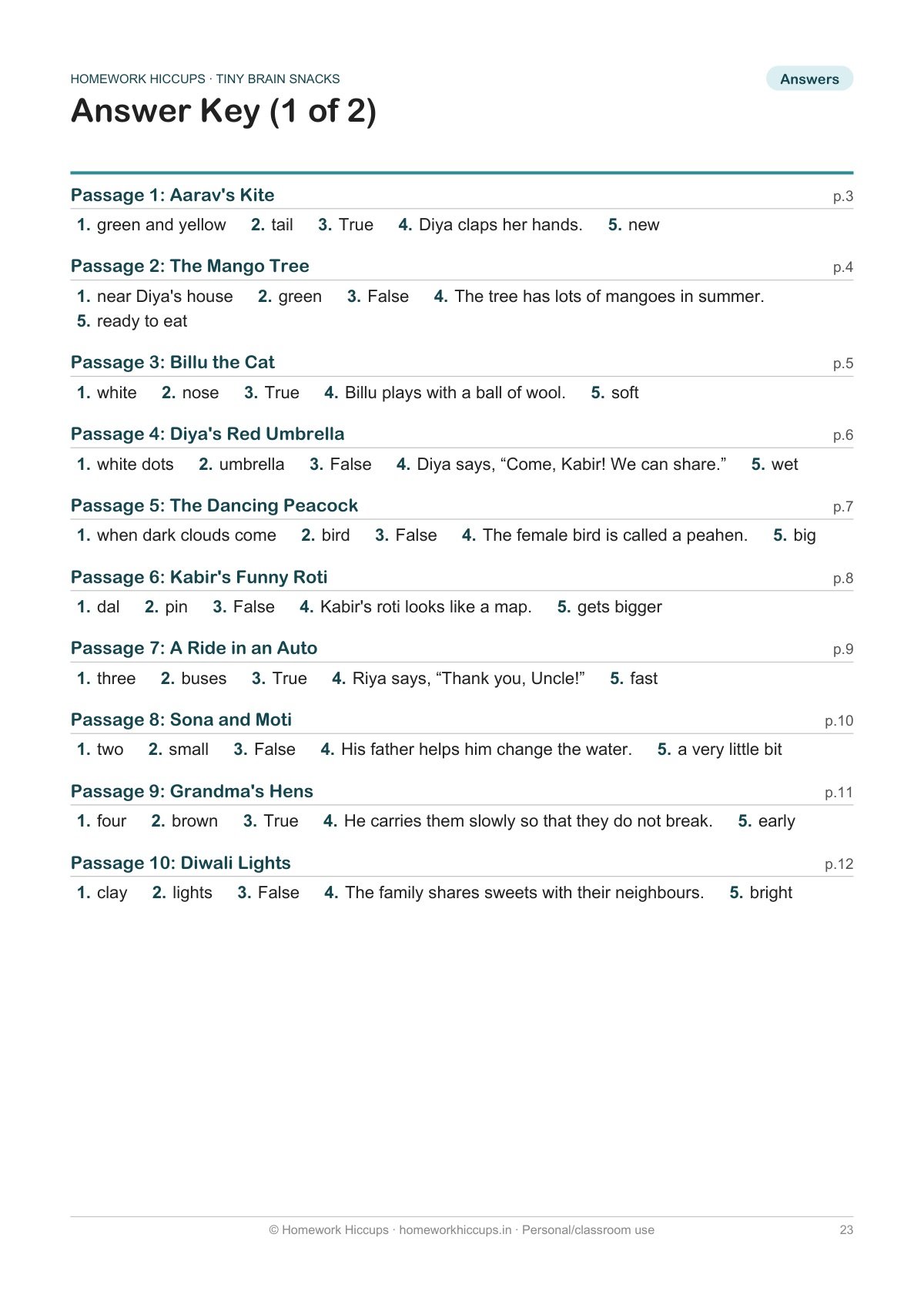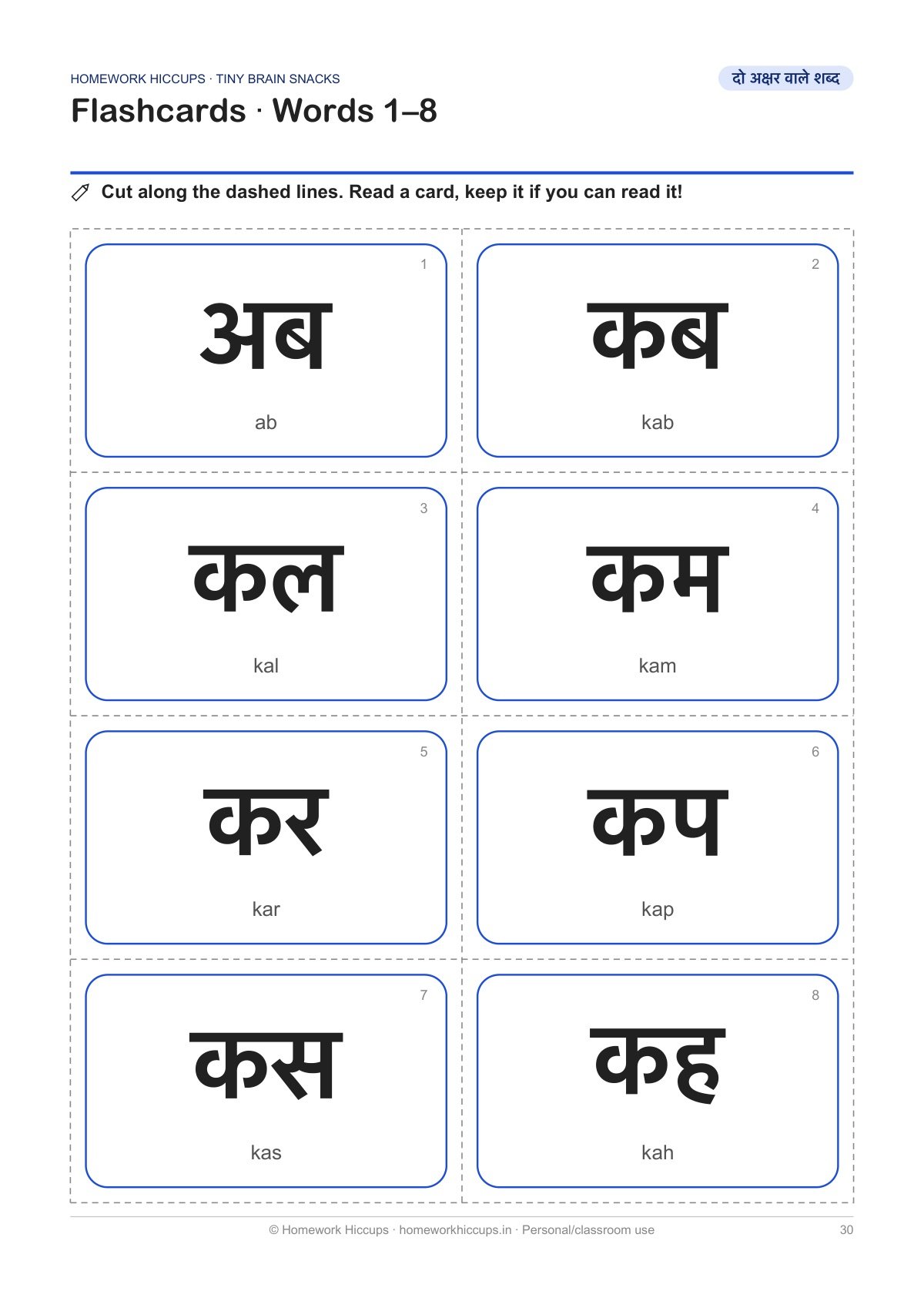
Search for worksheets and you will find thousands of free sites, workbook series in every bookshop and PDF packs shared on parent groups. The problem is not finding worksheets; it is knowing which ones are worth your child’s time. This guide on how to choose worksheets for kids gives you a simple 10-point checklist for Nursery to Class 2, so you can judge any page in under a minute.

Print-ready worksheets for this topic
Complete Worksheet Library – All 20 Packs for Ages 3–8 (790+ Pages) – A4 PDF, instant download. ₹699 ₹2130
You will also find an honest comparison of free and paid worksheets, printable PDFs and workbooks, a rough guide to how many pages a day suit each age, and the red flags that tell you to skip a worksheet.
🧰 Make practice more fun at home
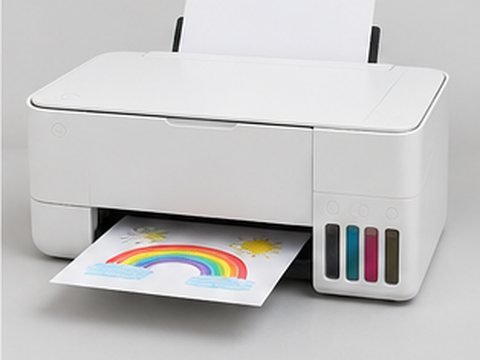 Ink tank printerLow cost per page if you print every week.See on Amazon →
 A4 printing paperBright 75–80 GSM sheets so worksheets print crisp.See on Amazon →
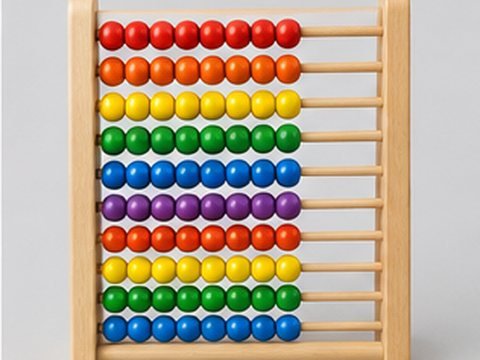 Abacus for kidsBead counting makes sums visible and fun.See on Amazon →
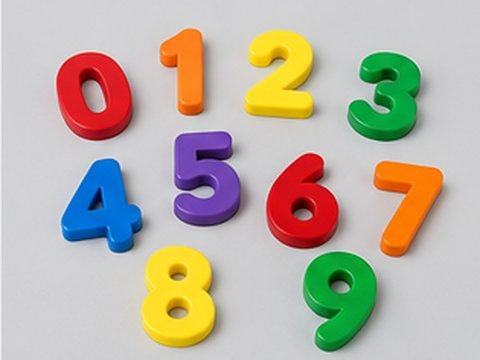 Magnetic numbers boardBuild sums on the fridge or a magnetic board.See on Amazon →
As an Amazon Associate, Homework Hiccups earns from qualifying purchases, at no extra cost to you.
Quick answer: A good worksheet for a young child:
- fits your child’s age and level, and practises one skill per page;
- has clear instructions, big spaces to write and an answer key;
- uses Indian context and British/Indian spelling;
- prints well in black and white and takes 5 to 10 minutes;
- comes from a source with a clear licence for home or class use.
How to choose worksheets for kids: the 10-point checklist
| # | Check | What to look for |
|---|---|---|
| 1 | Age fit | The task matches what your child can nearly do alone. Too easy is boring; too hard leads to tears. |
| 2 | One skill per page | A page on adding to 10 should not also test spelling and colours. |
| 3 | Clear instructions | Short, simple instructions a parent can read aloud, with an example done. |
| 4 | Enough space | Big writing lines and boxes for small hands, especially for Nursery to UKG. |
| 5 | Answer key | You can check quickly without working everything out yourself. |
| 6 | Indian context | Familiar names, food, money in rupees, festivals and places your child knows. |
| 7 | Correct spelling and language | British/Indian spelling (colour, centre, maths) and correct Hindi with proper matras. |
| 8 | Prints in black and white | Line art that is clear without a colour printer and does not waste ink. |
| 9 | Short pages | 5 to 10 minutes per page for young children, so practice ends on a happy note. |
| 10 | Clear licence | You know whether you may print it for your family or one classroom. |
How to use the checklist quickly
Print one page and sit with your child for five minutes. Watch three things: did they understand the instructions, did they finish without frustration, and did they actually practise the skill? If the answer to all three is yes, the worksheet is worth keeping.
Are worksheets good for kids?
Worksheets are a useful tool, not a full education. They work best when they are short, purposeful and mixed with play, talk, reading aloud and hands-on activities. A few honest points:
- Good for: handwriting and tracing practice, revising maths facts, spelling, Hindi letters and matras, and building a calm daily routine.
- Not a replacement for: reading picture books together, counting real objects, outdoor play, conversation and crafts.
- Signs to stop: your child cries, rushes through without looking, or says “I hate worksheets”. Take a break and return to play-based learning for a while.
Free vs paid worksheets: honest trade-offs
| Free worksheets | Paid worksheet packs | |
|---|---|---|
| Cost | Nothing | A small one-time price |
| Quality | Varies a lot; some are excellent | Usually checked, but still check a sample |
| Order | Single pages, you build the sequence | Planned sequence from easy to harder |
| Answer keys | Often missing | Usually included |
| Time to find | Can take a long time searching | Everything in one file |
| Context | Often made for other countries | Depends on the seller; look for Indian context |
A sensible approach: start with free pages to see what your child enjoys, then buy a pack for the skill you want to practise every day.
Printable worksheets vs workbooks
- Printable PDFs let you print a page again when your child needs more practice, print only the pages you need and use them for siblings. You do need a printer or a nearby print shop.
- Workbooks need no printer and are easy to carry, but once a page is filled, it is gone. They also tend to follow one fixed order.
- Tip: slip a printed page into a plastic sleeve and use a whiteboard marker for repeat practice of tracing and number writing.
How many worksheets a day for kids?
There is no official number. As a rough guide from what tends to work at home:
| Age / class | Pages a day | Total time |
|---|---|---|
| 3 to 4 (Nursery) | 1 page | 5 to 10 minutes |
| 4 to 5 (LKG) | 1 to 2 pages | 10 minutes |
| 5 to 6 (UKG) | 2 pages | 10 to 15 minutes |
| 6 to 7 (Class 1) | 2 to 3 pages | 15 to 20 minutes |
| 7 to 8 (Class 2) | 2 to 3 pages | 20 minutes |
On school days, keep it lighter if there is already homework. It is better to do one page every day than ten pages once a week. Our guide on how to plan home practice for kids has a weekly timetable you can copy.
Prefer ready-to-print pages?
Complete Worksheet Library – All 20 Packs for Ages 3–8 (790+ Pages) – A4 PDF, instant download. ₹699 ₹2130
Red flags: worksheets to skip
- US spelling and context: color, center, math, dollars and cents, Thanksgiving. Fine occasionally, confusing for daily practice.
- Tiny print and cramped boxes: young children need big spaces.
- No answers: you end up working out every sum yourself.
- Too many skills on one page: your child cannot tell what they are practising.
- Wrong Hindi: missing matras, wrong letters or words that do not exist.
- Heavy colour backgrounds: they waste ink and are hard to write on.
- Unclear source: pages with no owner, no licence or copied from books.
Worksheets for kids in India: what Indian context means
Children learn faster when examples feel familiar. Look for:
- names like Aarav, Diya, Kabir and Meera;
- money in rupees and coins your child has seen;
- food like roti, mango, idli and laddoo;
- festivals such as Diwali, Christmas, Eid, Holi and Republic Day;
- Hindi pages alongside English and maths.
One option: the complete worksheet library
If you would rather have one planned set for several years and children, our Complete Worksheet Library Bundle (₹699) brings together 20 original packs with 790+ printable A4 pages: class packs from Nursery to Class 2, Hindi, maths, English, EVS and GK, festival packs and activity packs. Pages are black line art, short and made with Indian context and British/Indian spelling. Please note it does not include our six newer ₹49 single-topic packs. The licence covers your own family or a single classroom.
See the Complete Worksheet Library – ₹699
Prefer to buy only what you need? Browse by class, starting with Class 1 worksheets, or read our tips on how to help your child with homework and printable homework worksheets for kids.
Get All 20 Packs (790+ Pages) – ₹699
🧸 Learning toys kids love
 Maths board gamePractise numbers while playing as a family.See on Amazon →
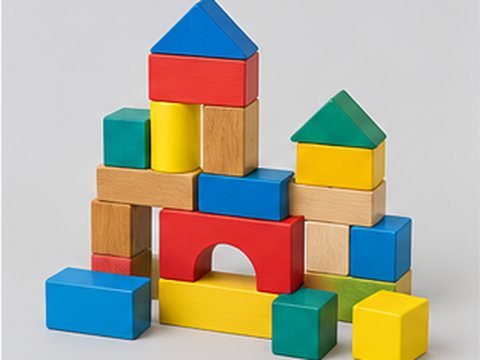 Building blocksOpen-ended play that builds counting and creativity.See on Amazon →
 Jigsaw puzzles (3–6 yrs)Screen-free focus time for little ones.See on Amazon →
 Educational board gamesFamily game time that sneaks in learning.See on Amazon →
As an Amazon Associate, Homework Hiccups earns from qualifying purchases, at no extra cost to you.
Frequently asked questions
How do I choose the right worksheet for my child?
Pick a page that matches what your child can nearly do alone, practises one skill, has clear instructions and an answer key, and takes 5 to 10 minutes. Test one page before printing a whole pack.
Are worksheets good for preschoolers?
Short worksheets can help preschoolers with tracing, colours and counting, but they should be a small part of the day. Play, talking, reading aloud and hands-on activities matter more at this age.
How many worksheets should a 5-year-old do a day?
As a rough guide, one or two short pages, about 10 to 15 minutes in total, is plenty for most 5-year-olds. Stop while your child is still enjoying it.
Are free worksheets as good as paid ones?
Some free worksheets are excellent. Paid packs usually save time because pages are planned in order and include answer keys. Use the same checklist for both.
Should I choose printable worksheets or workbooks?
Printables let you reprint pages for extra practice and siblings, while workbooks need no printer. Many families use both: a workbook for school-style practice and printables for the skills that need repetition.