“My child is weak in Hindi” is one of the most common worries we hear from parents of English-medium children. School may teach Hindi only a few periods a week, conversations at home drift into English, and soon Hindi homework becomes a daily struggle. If you are wondering how to teach Hindi to kids at home, the good news is that you don’t need to be a teacher. You need the right order and 10 calm minutes a day.
Print-ready worksheets for this topic
Hindi Two & Three Letter Words Worksheets PDF – बिना मात्रा के शब्द, Blending & Sentences, Ages 5–7 (38 Pages) – A4 PDF, instant download. ₹99 ₹199
This guide gives you a step-by-step learning order that works for children from UKG to Class 2, ideas for using more Hindi at home without pressure, a 10-minute daily plan and the signs that show your child is making progress. Each step links to a detailed guide, so you can go deeper when you reach it.
🧰 Make practice more fun at home
 Picture story booksShort, colourful books for a daily reading habit.See on Amazon →
 Triangle pencilsThe triangle shape guides a correct grip for tracing.See on Amazon →Hindi varnamala puzzle boardWooden letter pieces make Hindi letters hands-on.See on Amazon →Hindi flash cardsPicture cards for quick daily letter and word games.See on Amazon →
As an Amazon Associate, Homework Hiccups earns from qualifying purchases, at no extra cost to you.
Quick answer: Teach Hindi at home in this order:
- Listen and speak Hindi every day.
- Learn the letters (स्वर and व्यंजन).
- Read words without matras (बिना मात्रा के शब्द), such as घर and कमल.
- Add matras one at a time.
- Read short sentences.
- Write from dictation.
Why English-medium kids find Hindi hard
- Less listening. Children read well in the language they hear most. If Hindi is rarely spoken around them, words on the page feel unfamiliar.
- Jumping steps. Many children are given matra words before they can blend simple letters, so reading feels like guessing.
- A different script. Hindi has the शिरोरेखा (headline), matras before, after, above and below letters, and joined letters. It needs its own practice time.
- Pressure. When Hindi only appears as homework and corrections, children start to dislike it.
None of these mean your child is bad at languages. They simply need more Hindi input and steps in the right order.
How to teach Hindi to kids at home: the 6-step order
Step 1: Listening and speaking
Before reading, children need Hindi words in their ears. Use simple Hindi at fixed times, such as meals or bath time. Try these everyday phrases:
| Hindi | Transliteration | Meaning |
|---|---|---|
| पानी दो। | paani do | Give me water. |
| खाना खा लो। | khaana khaa lo | Eat your food. |
| जूते पहनो। | joote pahno | Put on your shoes. |
| बहुत अच्छा! | bahut achchhaa | Very good! |
| तुम्हें क्या चाहिए? | tumhen kyaa chaahiye | What do you want? |
| आज स्कूल में क्या हुआ? | aaj school mein kyaa huaa | What happened at school today? |
Read Hindi picture books aloud, sing Hindi rhymes, and let grandparents speak Hindi on calls. Accept answers in English at first; understanding comes before speaking.
Step 2: Letters (स्वर and व्यंजन)
Learn the 13 स्वर first, then the व्यंजन in their groups (क ख ग घ ङ, and so on). Say the sound, trace it, find it in a picture word. Five letters a week is a good pace. Our Hindi varnamala activity ideas make this stage playful, with games instead of copying.
Step 3: Words without matras
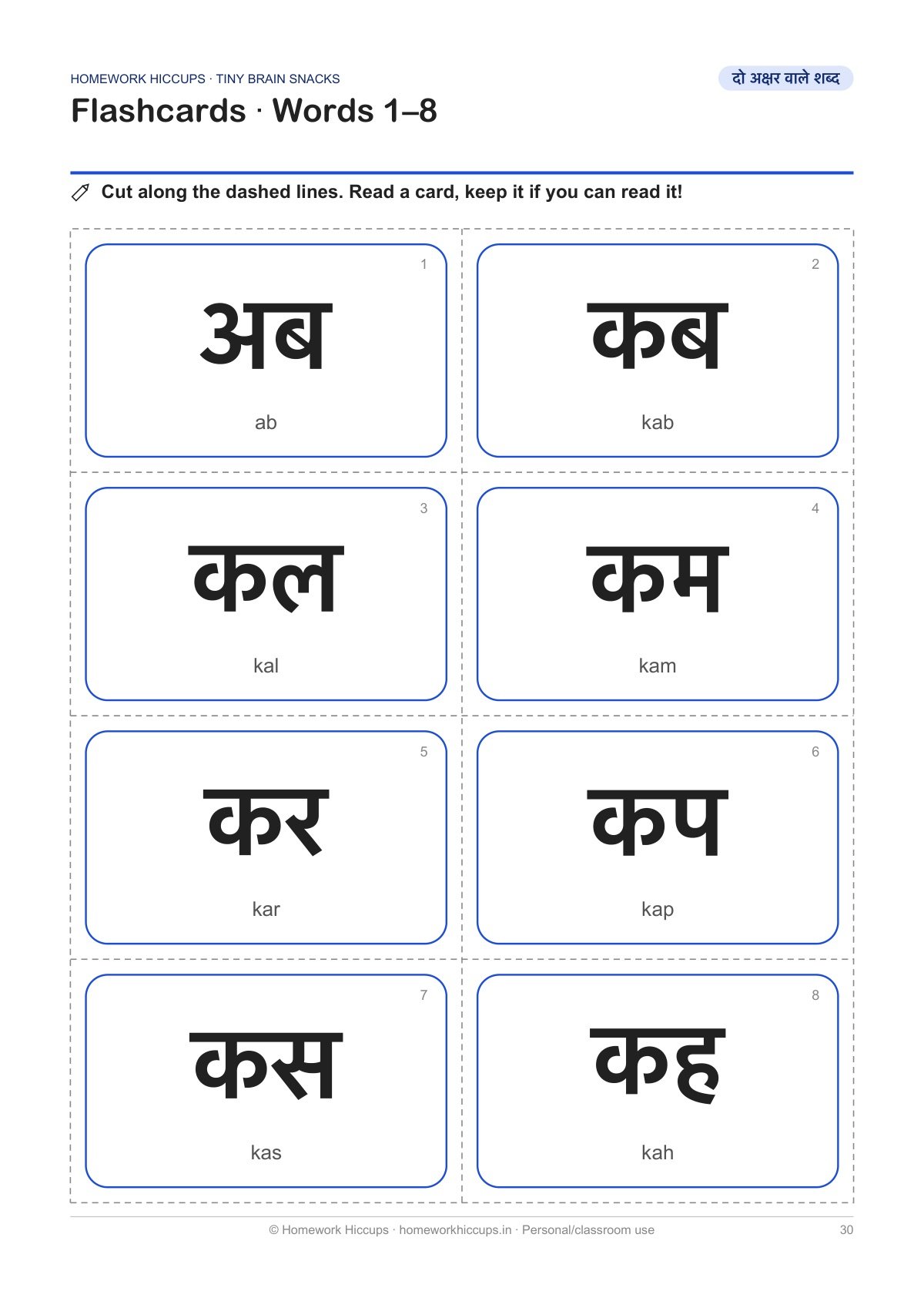
This is the step most often skipped, and the one that makes the biggest difference. Words made only of letters can be blended straight away: घ + र = घर. Start with two-letter words, then three-letter words.
| Word | Blend | Meaning |
|---|---|---|
| घर (ghar) | घ + र | house |
| जल (jal) | ज + ल | water |
| फल (phal) | फ + ल | fruit |
| बस (bas) | ब + स | bus |
| कमल (kamal) | क + म + ल | lotus |
| मटर (matar) | म + ट + र | peas |
Our lists of two-letter words in Hindi and three-letter words in Hindi give you plenty more.
Get the Hindi Two and Three Letter Words Pack – ₹99
Step 4: Matras, one at a time
When no-matra words feel easy, add the ा matra: कम becomes काम (kaam, work), बल becomes बाल (baal, hair). Then ि and ी, ु and ू, े and ै, ो and ौ, and ं. Spend about a week on each matra or pair. Our Hindi matra worksheets guide explains each one.
Step 5: Short sentences
Begin with no-matra sentences, which children can read on their own:
- जल भर। (jal bhar, fill the water.)
- कप रख। (kap rakh, put the cup down.)
- बस पकड़। (bas pakad, catch the bus.)
Then move to sentences with matras, such as मोर नाच रहा है। (mor naach rahaa hai, the peacock is dancing). For gentle reading routines, see Hindi reading for UKG.
Step 6: Dictation
Dictation comes last, because a child must hear a word, break it into sounds and write each one. Start with five no-matra words, then add matra words. Our Hindi dictation for Class 1 post has ready word lists.
Hindi learning for kids at home: 10 minutes a day
| Day | 10-minute idea |
|---|---|
| Monday | Read a Hindi picture book together; child points to letters they know |
| Tuesday | Letter or word hunt: find 5 Hindi words on packets, signs or a newspaper |
| Wednesday | One worksheet page or 5 words to blend and read |
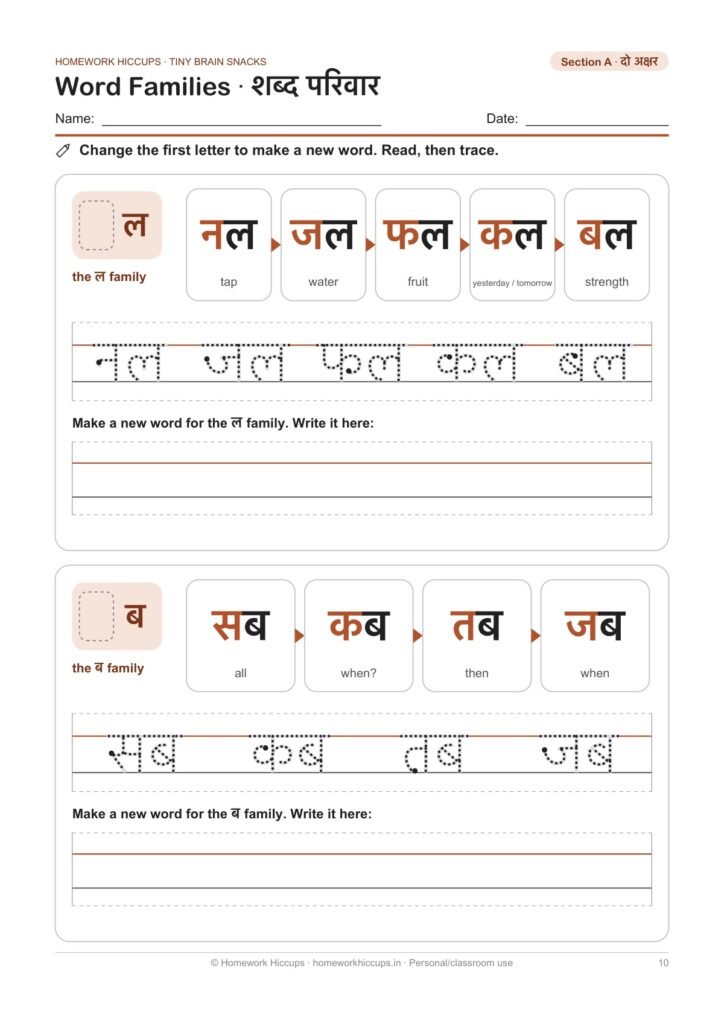
| Thursday | Word game: flashcards, word bingo or “change one letter” (नल, जल, फल) |
| Friday | Five-word dictation, checked together with a smile |
| Weekend | Hindi only at one meal; a Hindi song or story with grandparents |
Hindi teaching tips for parents
- Keep it short and regular. Ten minutes daily works better than an hour on Sunday.
- Read with them, not at them. Take turns: you read one line, your child reads the next.
- Go back a step when stuck. If matra words are a struggle, return to no-matra words for a week. It is not failure; it is building a base.
- Praise blending, not speed. “You joined क and म and ल all by yourself!”
- Make Hindi useful. Let your child read the Hindi on a sweet box or write the shopping list in Hindi.
- Never compare. Children who start later often catch up quickly once the order is right.
Prefer ready-to-print pages?
Hindi Two & Three Letter Words Worksheets PDF – बिना मात्रा के शब्द, Blending & Sentences, Ages 5–7 (38 Pages) – A4 PDF, instant download. ₹99 ₹199
How to improve Hindi of a child: signs of progress
| Stage | Your child can… |
|---|---|
| Early | Understand simple Hindi instructions; name most letters |
| Building | Blend two- and three-letter words like घर and कमल without help |
| Growing | Read words with ा, ि, ी and other matras; read short sentences slowly |
| Confident | Read a short paragraph, write five words from dictation, answer in Hindi |
Most children move through these stages over months, not weeks, and the pace varies. What matters is steady movement forward.
The bridge step: Hindi two and three letter words
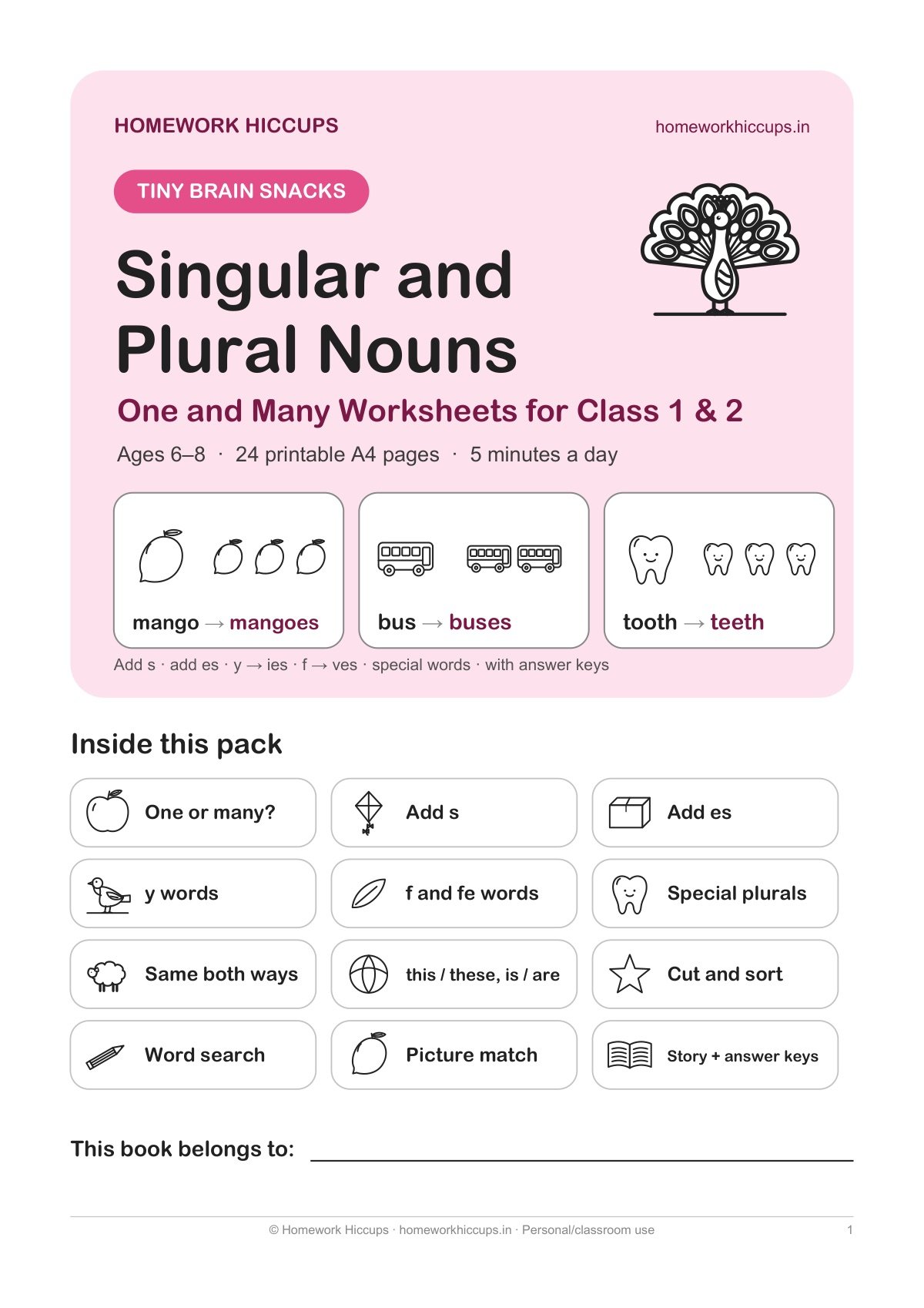
Step 3 is where most English-medium children need extra practice, and it is exactly what our Hindi Two and Three Letter Words Worksheets PDF covers. Its 38 A4 pages (ages 5–7) use only words with no matras and no conjunct letters, so your child can blend straight away. It includes a parent page on how blending works, a warm-up for sliding sounds together, 16 two-letter picture words, blending boxes, word families (such as नल, जल, फल, कल, बल), 12 three-letter picture words (such as कमल, मटर, कलम, बटन), word ladders, jumbled letters, little phrases, 12 short no-matra sentences, two pages of answer keys, a reading tracker and a शाबाश! certificate. It does not teach matras; that is the next step.
Try it first with the free Hindi two-letter words sample: a cover, 3 real pages and a contents page, which you get by entering your name and email at checkout, with no payment.
Get the Hindi Two and Three Letter Words Pack – ₹99
See all our Hindi worksheets for the steps before and after.
🧸 Learning toys kids love
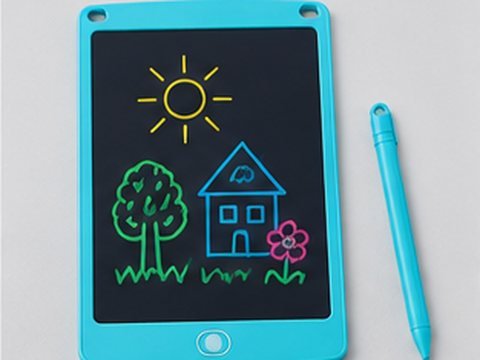 LCD writing tabletWrite, erase with one button, write again: no paper.See on Amazon →
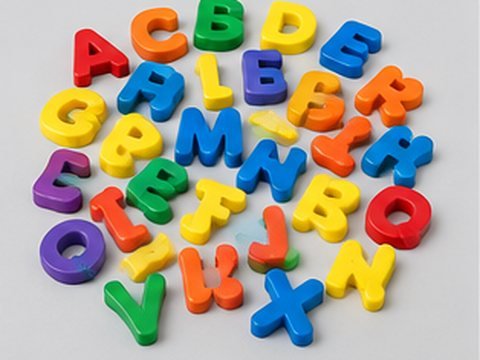 Magnetic lettersBuild words on the fridge while dinner cooks.See on Amazon →
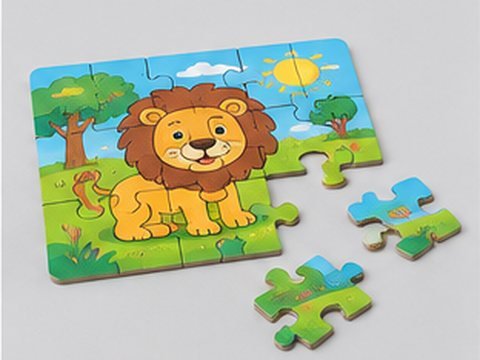 Jigsaw puzzles (3–6 yrs)Screen-free focus time for little ones.See on Amazon →
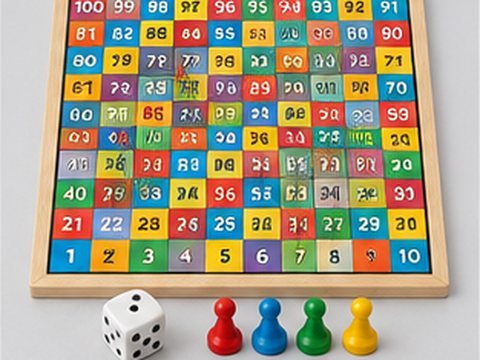 Educational board gamesFamily game time that sneaks in learning.See on Amazon →
As an Amazon Associate, Homework Hiccups earns from qualifying purchases, at no extra cost to you.
Frequently asked questions
How can I teach Hindi to my English-medium child at home?
Speak simple Hindi daily, then follow this order: letters, words without matras, matras one at a time, short sentences and finally dictation. Ten minutes a day is enough.
My child is weak in Hindi. What should I do first?
Check which step is shaky. Many children struggle because they were given matra words before they could blend simple letters. Go back to two- and three-letter no-matra words and build up from there.
What are words without matras in Hindi?
They are words made only of letters, with no matra signs, such as ghar (house), jal (water), phal (fruit) and kamal (lotus). They are called bina matra ke shabd.
At what age should a child start learning Hindi letters?
Many schools introduce Hindi letters in LKG or UKG, around ages 4 to 5. Listening and speaking can start much earlier, at any age.
How long does it take for a child to read Hindi?
It varies. With short daily practice in the right order, many children move from letters to simple sentences over several months. Steady progress matters more than speed.