Many parents wonder how to improve Hindi handwriting for kids when English writing is already neat. The answer is that Hindi has its own rules: every word hangs from a top line, the शिरोरेखा (shirorekha, headline), letters must sit at the same height, and matras go above, below and beside the letter. Practise those few things and Hindi सुलेख (sulekh, neat handwriting) improves quickly.

Print-ready worksheets for this topic
Hindi Varnamala Tracing Worksheets PDF – Swar & Vyanjan (स्वर और व्यंजन) with Picture Words, Ages 3–6 (48 Pages) – A4 PDF, instant download. ₹99 ₹199
This guide covers the order of writing, letter height on Hindi guide lines, spacing, matra placement and grip, then lists seven common faults with a fix for each and a 5-minute daily drill. For English handwriting, see our separate guide on how to improve handwriting for kids.
🧰 Make practice more fun at home
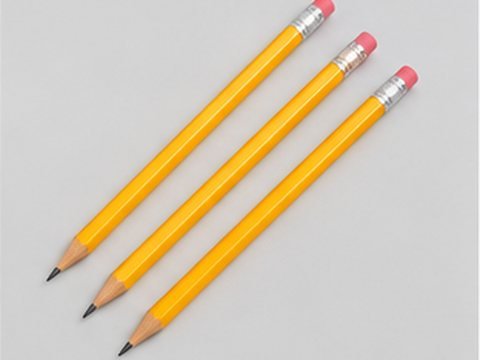 Triangle pencilsThe triangle shape guides a correct grip for tracing.See on Amazon →
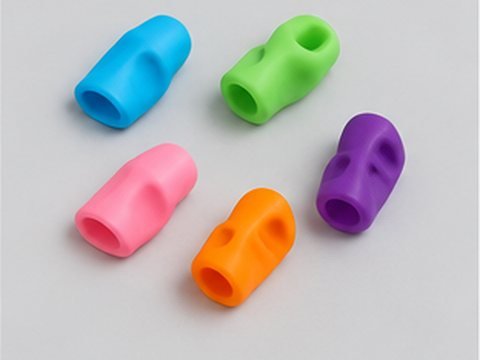 Pencil gripsSoft grips that help children hold the pencil right.See on Amazon →Hindi varnamala puzzle boardWooden letter pieces make Hindi letters hands-on.See on Amazon →Hindi flash cardsPicture cards for quick daily letter and word games.See on Amazon →
As an Amazon Associate, Homework Hiccups earns from qualifying purchases, at no extra cost to you.
Quick answer: To make Hindi writing neat:
- Write the letter body first, then draw the शिरोरेखा in one smooth stroke over the whole word.
- Keep every letter the same height, sitting between the same two lines.
- Leave a finger space between words.
- Put ि ी े ै ो ौ ं above the headline and ु ू below the letter.
- Practise one letter group a day for 5 minutes.
How to improve Hindi handwriting for kids: the 5 basics
1. Letter first, शिरोरेखा after
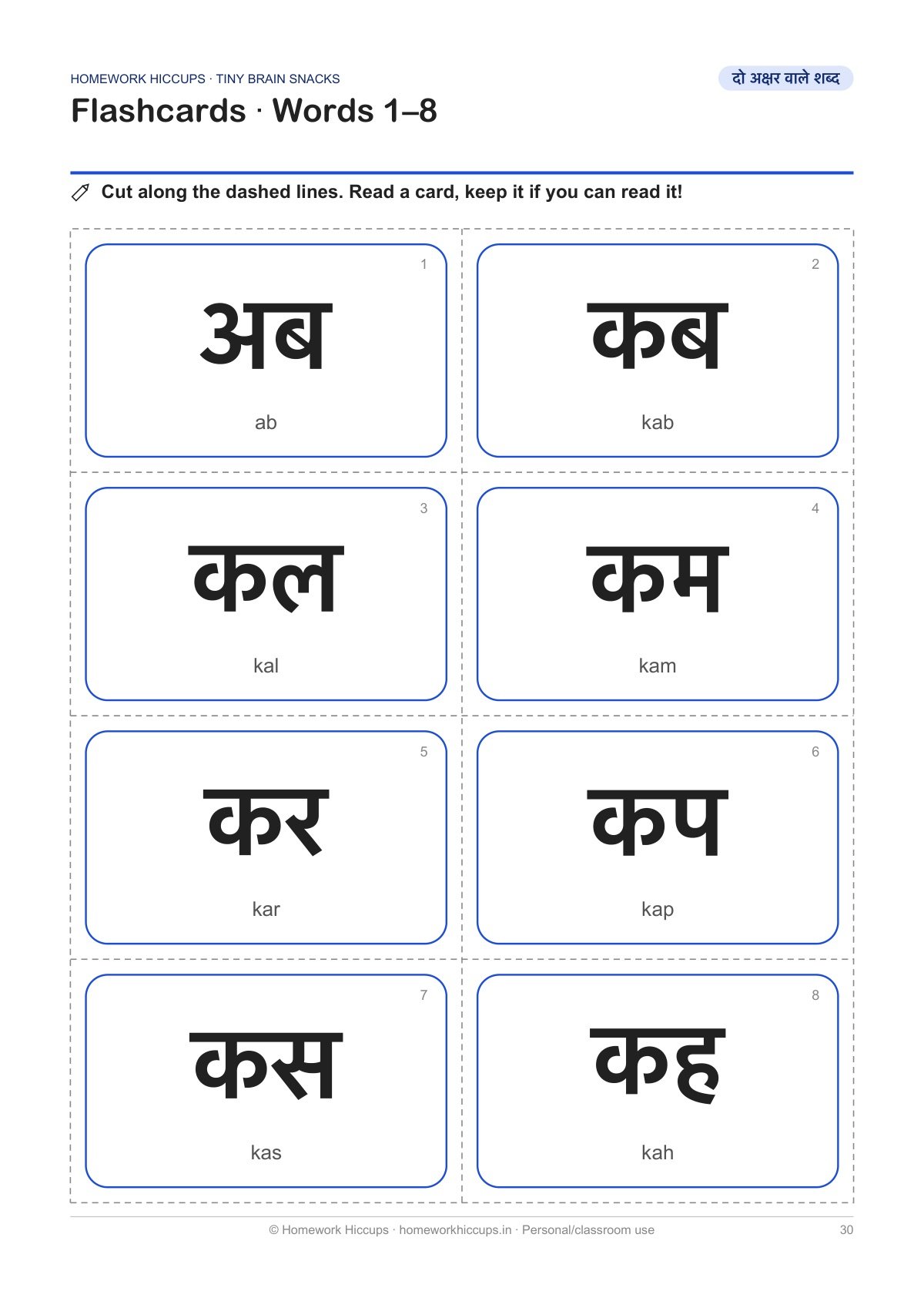
Many teachers ask children to write the body of each letter first and add the headline at the end, across the whole word. This keeps letters joined at the top and stops children drawing a short, separate line over each letter. Watch one word: write क, म, ल, then draw one line over all three to make कमल (kamal, lotus).
2. The same height on Hindi guide lines
Hindi writing practice works best on lines that show three bands:
| Band | What goes there | Example |
|---|---|---|
| Top band (above the headline) | Upper parts of ि ी, and े ै ो ौ ं | के, मैं, कौन |
| Main band (headline down to base line) | The body of every letter | क, ग, न, र |
| Lower band (below the base line) | ु and ू (and ृ, learnt later) | कु, फूल |
If the paper has no guides, draw two light pencil lines and ask your child to fill the space between them exactly.
3. Space between words
Because each word has its own headline, a gap between headlines shows where one word ends. Teach a “finger space”: the child puts one finger after each word before starting the next. In the sentence मोर नाच रहा है। (mor naach rahaa hai, the peacock is dancing) there are four separate headlines with three gaps.
4. Matras that touch
The upright stroke of ि and ी should touch the headline and come down to the base line, close to the letter. The ा stands straight on the right, the full height of the letter. ु and ू hang from the bottom of the letter, not floating below it. Note two special forms: र with ु and ू is written रु and रू, not with the matra below.
5. A relaxed grip
Use a sharpened pencil, held lightly between thumb and first finger, resting on the middle finger. If the paper shows deep grooves on the back, the grip is too tight. Shoulders down, feet flat and the paper slightly tilted all help.
7 common Hindi handwriting faults and how to fix them
| Fault | What you see | Fix |
|---|---|---|
| 1. Missing headline | Letters look like English shapes; क looks like a loop | Say “line on top” after every word until it becomes a habit |
| 2. Broken headline in a word | A separate short line over each letter | Write the full word first, then one stroke from left to right |
| 3. Wavy or slanting headline | Line climbs up or dips | Practise long straight lines across the page as a warm-up |
| 4. Different letter sizes | Some letters tall, some tiny | Use guide lines; every letter must touch both lines of the main band |
| 5. Words run together | One long headline over two words | Finger space, and count the headlines in a sentence |
| 6. Floating matras | ि not touching the headline, ु hanging far below | Trace matras on dotted guides, then write with a start dot |
| 7. Look-alike letters | घ and ध, म and भ, ब and व mixed up | Practise the pair side by side and name the difference aloud |
Fixing look-alike letters
- घ and ध: घ has a full headline; in ध the headline does not cover the small part on the left.
- म and भ: म has a full headline; in भ the headline covers only the right part.
- ब and व: ब has a slanting line inside the loop; व does not.
A clear letter chart helps here. Our Hindi varnamala chart with pictures shows every letter with a picture word.
Hindi sulekh for kids: a 5-minute daily drill
Short, daily practice beats a long weekend session. Each day, work on one letter group from the varnamala.
| Minute | What to do |
|---|---|
| 1 | Warm-up: a row of standing lines, a row of headlines, a row of curves |
| 2–3 | Trace, then write the day’s letter group, two of each letter |
| 4 | Write one word using those letters, then add the headline |
| 5 | Child ticks their own best letter and circles one to improve |
One letter group a day
| Day | Letters | Word to write (meaning) |
|---|---|---|
| 1 | क ख ग घ ङ | घर (ghar, house) |
| 2 | च छ ज झ ञ | जग (jag, jug) |
| 3 | ट ठ ड ढ ण | मटर (matar, peas) |
| 4 | त थ द ध न | नल (nal, tap) |
| 5 | प फ ब भ म | फल (phal, fruit) |
| 6 | य र ल व श ष स ह | कलम (kalam, pen) |
| 7 | क्ष त्र ज्ञ, or a rest day | Free choice |
If your child is still learning the स्वर, spend a week on अ to अः first; our swar and vyanjan worksheets guide explains the order. Matras can wait until letters are neat.
Get the Hindi Varnamala Tracing Pack – ₹99
Prefer ready-to-print pages?
Hindi Varnamala Tracing Worksheets PDF – Swar & Vyanjan (स्वर और व्यंजन) with Picture Words, Ages 3–6 (48 Pages) – A4 PDF, instant download. ₹99 ₹199
Neat Hindi writing tips for parents
- Praise one thing. “Your headline is so straight today” works better than correcting five things.
- Write together. Write a row yourself, slowly, and let your child copy under it.
- Keep the old page. Compare this week with last month; children love seeing progress.
- Use pencil, not pen, in UKG and Class 1, so mistakes can be rubbed out without tears.
- Don’t rush matras. Neat letters make neat matras easy later.
Hindi writing practice for Class 1 and younger
Children build neat Hindi writing fastest when every letter is practised on proper guide lines from the start. Our Hindi Varnamala Tracing Worksheets PDF (48 A4 pages, ages 3–6) prints each letter as a big dotted letter on a Hindi writing guide with the शिरोरेखा, a start dot and numbered stroke hints, followed by tracing rows, a word to trace and empty rows for writing alone. It covers all 13 स्वर (one per page) and 36 व्यंजन (two per page, क to ज्ञ), with a line warm-up page, a diagram for parents showing how Hindi letters sit on the lines, look-alike letters and match-the-letter pages, Hindi numbers १ to १०, a revision chart, answer key, letter tracker and a शाबाश! certificate. It is designed for younger learners, but a Class 1 child with untidy letters can use it as a quick reset. It does not teach matras.
You can try a few pages from the free Hindi varnamala worksheets sample (cover, 3 real pages and a contents page; enter your name and email at checkout, no payment). For more on tracing, read Hindi alphabet tracing worksheets.
Get the Hindi Varnamala Tracing Pack – ₹99
🧸 Learning toys kids love
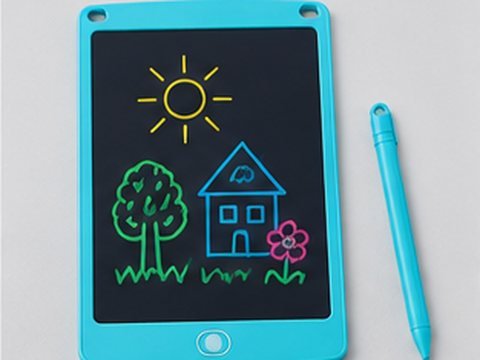 LCD writing tabletWrite, erase with one button, write again: no paper.See on Amazon →
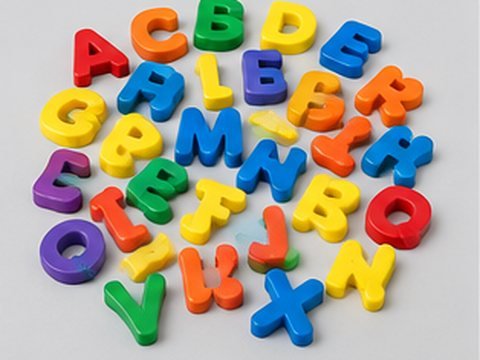 Magnetic lettersBuild words on the fridge while dinner cooks.See on Amazon →
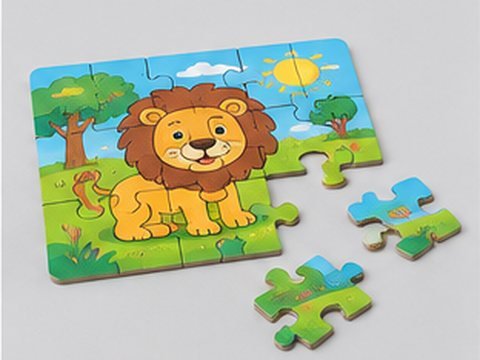 Jigsaw puzzles (3–6 yrs)Screen-free focus time for little ones.See on Amazon →
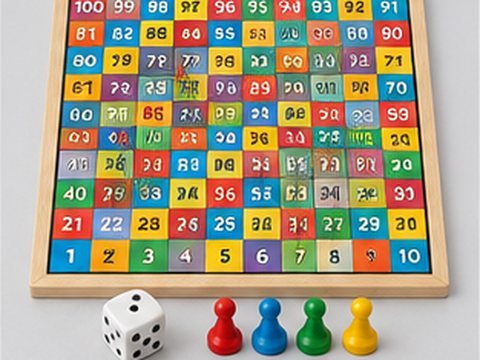 Educational board gamesFamily game time that sneaks in learning.See on Amazon →
As an Amazon Associate, Homework Hiccups earns from qualifying purchases, at no extra cost to you.
Frequently asked questions
How can I improve my child’s Hindi handwriting?
Focus on the shirorekha drawn in one stroke over each word, equal letter height on guide lines, a finger space between words and matras that touch the letter. Practise one letter group for 5 minutes every day.
Should the shirorekha be written first or last?
Many teachers ask children to write the letter body first and draw the shirorekha last, across the whole word. This keeps letters joined at the top and the line straight.
What is sulekh in Hindi?
Sulekh means neat or beautiful handwriting. Schools often give sulekh practice pages where children copy letters and words carefully on guide lines.
Why are my child’s Hindi letters different sizes?
Usually because there are no guide lines. Use paper with a main band, and ask your child to make every letter touch both the headline and the base line.
How long should Hindi handwriting practice take each day?
About 5 minutes a day is enough: a short warm-up, one letter group, one word and a quick self-check. Daily short practice works better than one long session.