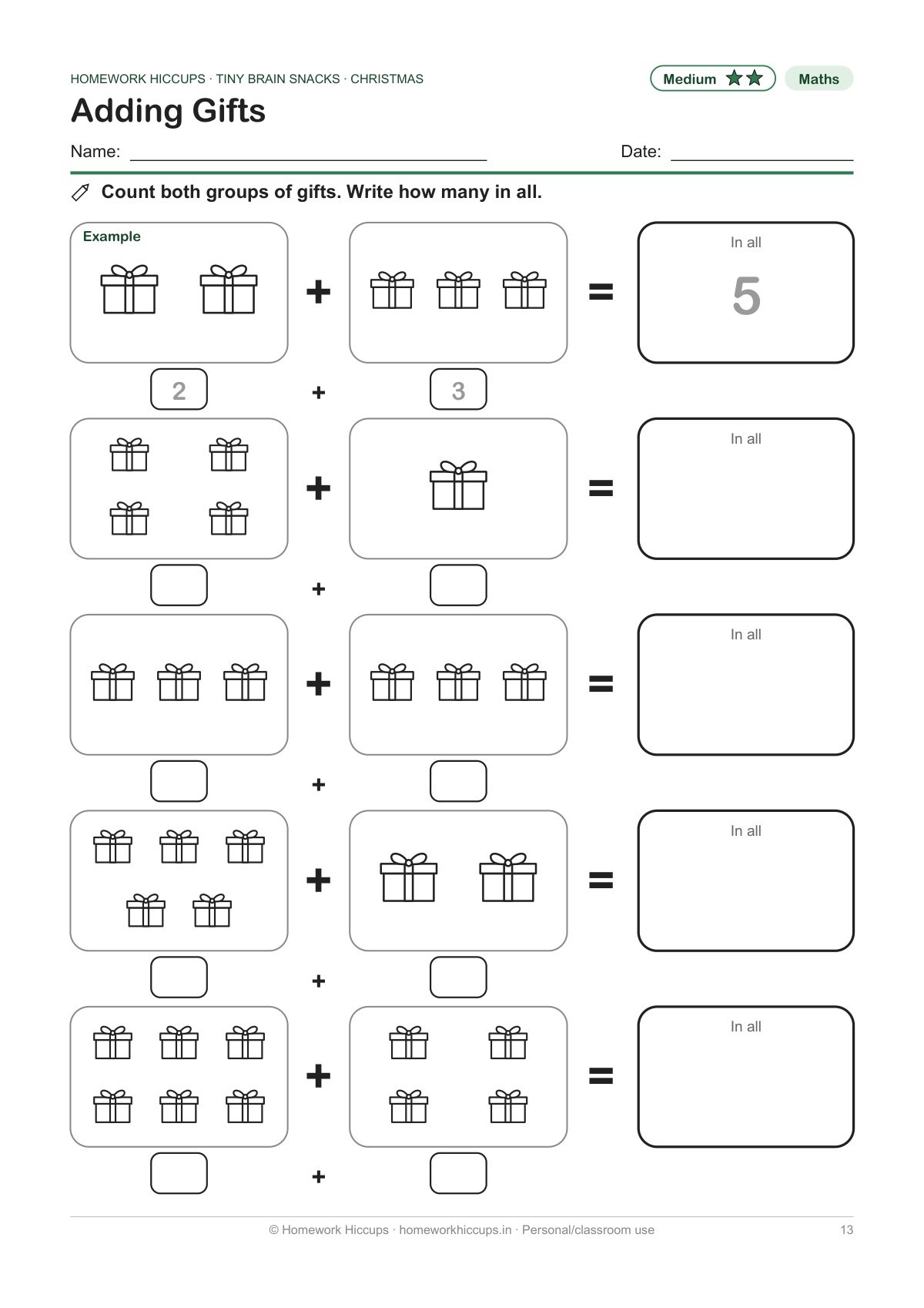
Mental maths for Class 1 is about one thing: helping children find answers in their heads without counting every finger from one. Many schools now add quick oral rounds or speed sheets in Class 1, and children who know a few simple tricks feel far more confident in them.
Print-ready worksheets for this topic
Class 1 Maths Worksheets PDF – Numbers to 100, Addition, Subtraction, Money & Time (49 Pages) – A4 PDF, instant download. ₹149 ₹299
This guide gives you ten tricks explained in plain words, 60 quick questions in six sets of ten with answers, and a calm five-minute daily drill. Use it at home after school or as a warm-up at the start of a maths lesson.
🧰 Make practice more fun at home
 A4 printing paperBright 75–80 GSM sheets so worksheets print crisp.See on Amazon →
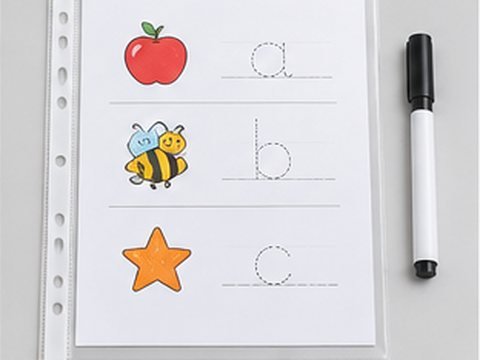 Wipe-clean sheet protectorsSlip a page in, write, wipe and reuse.See on Amazon →
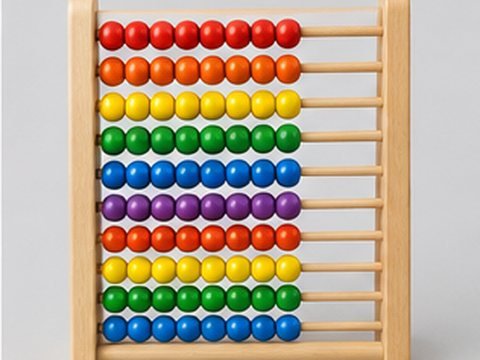 Abacus for kidsBead counting makes sums visible and fun.See on Amazon →
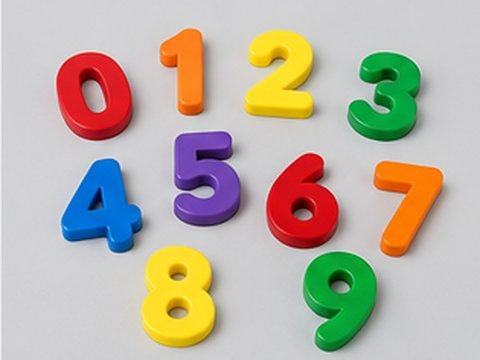 Magnetic numbers boardBuild sums on the fridge or a magnetic board.See on Amazon →
As an Amazon Associate, Homework Hiccups earns from qualifying purchases, at no extra cost to you.
Quick answer: The most useful mental maths tricks for Class 1 are:
- Count on from the bigger number.
- Doubles (4 + 4) and near doubles (4 + 5).
- Make 10 with number pairs (7 + 3).
- Add 10 and add 9 (add 10, then take 1).
- Take away 0 and 1, and count back for small take-aways.
Practise for five minutes a day, not one hour a week.
Mental maths for Class 1: 10 tricks that work
1. Start with the bigger number
For 2 + 7, children often start at 2 and count on seven. Teach them to flip it: start at 7 and count on two, “8, 9”. The answer is the same and it is much quicker.
2. Count on for small numbers
Adding 1, 2 or 3? Hold the big number in your head and count on. For 8 + 3: “8 … 9, 10, 11.”
3. Doubles
Learn doubles to 10 + 10 like a song: 1 + 1 = 2, 2 + 2 = 4, 3 + 3 = 6, and so on. Use fingers on two hands, egg boxes or the two sides of a domino.
4. Near doubles
If you know 6 + 6 = 12, then 6 + 7 is just one more: 13. Children look for two numbers next to each other and use the double of the smaller one.
5. Make 10
Number pairs that make 10 are the backbone of Class 1 maths: 1 and 9, 2 and 8, 3 and 7, 4 and 6, 5 and 5. A ten-frame or ten bangles on a pencil help children see them.
6. Adding 0
Adding 0 changes nothing: 9 + 0 = 9. Children often overthink this, so say it as a rule.
7. Add 10
Adding 10 to a single digit puts a 1 in front: 10 + 4 = 14. For a 2-digit number, the tens go up by one and the ones stay the same: 23 + 10 = 33.
8. Add 9: add 10, take 1
For 9 + 6, think 10 + 6 = 16, then take 1 away: 15. This trick feels like magic once it clicks.
9. Take away 0 and 1
Taking away 0 leaves the number the same. Taking away 1 gives the number just before: 15 − 1 = 14. Our number line worksheet for Class 1 shows this as one hop back.
10. Count back, or take away 10
For small take-aways (− 2, − 3), count back: 8 − 3 is “7, 6, 5”. For 14 − 10, the tens disappear and 4 is left.
Skip counting in 2s, 5s and 10s also builds speed. See our skip counting worksheets for practice.
🧸 Learning toys kids love
 Maths board gamePractise numbers while playing as a family.See on Amazon →
 Building blocksOpen-ended play that builds counting and creativity.See on Amazon →
 Jigsaw puzzles (3–6 yrs)Screen-free focus time for little ones.See on Amazon →
 Educational board gamesFamily game time that sneaks in learning.See on Amazon →
As an Amazon Associate, Homework Hiccups earns from qualifying purchases, at no extra cost to you.
Mental maths questions for Class 1: 60 quick questions
Read each question aloud or write it on the board. Children say or write only the answer. Each set uses one or two of the tricks above.
Set A: count on from the bigger number
8 + 2 · 6 + 3 · 9 + 1 · 2 + 7 · 3 + 5 · 1 + 8 · 7 + 3 · 2 + 9 · 5 + 2 · 3 + 9
Set B: doubles
1 + 1 · 2 + 2 · 3 + 3 · 4 + 4 · 5 + 5 · 6 + 6 · 7 + 7 · 8 + 8 · 9 + 9 · 10 + 10
Set C: near doubles
3 + 4 · 4 + 5 · 5 + 6 · 6 + 7 · 7 + 8 · 8 + 9 · 2 + 3 · 6 + 5 · 9 + 10 · 8 + 7
Set D: make 10 (find the missing number)
7 + __ = 10 · 4 + __ = 10 · 9 + __ = 10 · 2 + __ = 10 · 5 + __ = 10 · 6 + __ = 10 · 8 + __ = 10 · 1 + __ = 10 · 3 + __ = 10 · 0 + __ = 10
Set E: add 10 and add 9
10 + 4 · 10 + 7 · 6 + 10 · 23 + 10 · 45 + 10 · 9 + 5 · 9 + 7 · 9 + 4 · 8 + 9 · 9 + 9
Set F: take away 0, 1, 10 and count back
7 − 0 · 9 − 1 · 15 − 1 · 12 − 0 · 10 − 2 · 8 − 3 · 14 − 10 · 18 − 10 · 11 − 1 · 20 − 1
Answers
| Set | Answers in order |
|---|---|
| A | 10, 9, 10, 9, 8, 9, 10, 11, 7, 12 |
| B | 2, 4, 6, 8, 10, 12, 14, 16, 18, 20 |
| C | 7, 9, 11, 13, 15, 17, 5, 11, 19, 15 |
| D | 3, 6, 1, 8, 5, 4, 2, 9, 7, 10 |
| E | 14, 17, 16, 33, 55, 14, 16, 13, 17, 18 |
| F | 7, 8, 14, 12, 8, 5, 4, 8, 10, 19 |
Oral maths for Class 1: the 5-minute daily drill
Speed comes from short, regular practice, not pressure. This routine fits before homework or at the start of a lesson.
| Minute | What to do |
|---|---|
| 1 | Warm-up: count in 2s or 10s aloud together. |
| 2 | Trick of the day: explain one trick with one example. |
| 3–4 | One set of ten questions, said aloud. Child answers out loud or on a slate. |
| 5 | Check answers together and write the score in a notebook. |
A simple weekly plan: Monday Set A, Tuesday Set B, Wednesday Set C, Thursday Set D, Friday Sets E and F, Saturday mixed questions from all sets. Repeat the week and watch scores rise.
How to time it without stress
- Beat your own score. Compare only with last week, never with a sibling or classmate.
- Time the set, not each sum. Write “10 sums in 2 minutes” and try for a little faster next week.
- Accuracy first. Nine right slowly is better than ten fast guesses.
- Stop on a good note. End with an easy question your child is sure to get right.
- Allow fingers at first. As tricks become habits, fingers stop being needed on their own.
Prefer ready-to-print pages?
Class 1 Maths Worksheets PDF – Numbers to 100, Addition, Subtraction, Money & Time (49 Pages) – A4 PDF, instant download. ₹149 ₹299
Quick maths for kids: games that build speed
- Doubles clap. You say a number, your child claps and says its double.
- Ten friends. You say 6, they shout 4. Swap roles.
- Car number sums. Add the last two digits of number plates on the way to school.
- Shop maths. “A pencil is ₹5 and an eraser is ₹3. How much together?” (₹8)
- Ball toss. Throw a soft ball with a question; the catcher answers and throws one back.
Children who enjoy a challenge can try our Class 1 maths olympiad questions, and for written practice see addition worksheets for Class 1.
Mental maths worksheet for Class 1: speed sheets
When your child is ready to move from oral to written speed practice, our Class 1 Maths Worksheets PDF (49 A4 pages) includes three mental maths speed sheets with 30 sums each, plus time and score boxes, so you can repeat them weekly and see progress. The pack also covers numbers to 100, tens and ones, addition and subtraction within 20 and 2-digit sums without carrying or borrowing, 10 word problems with Indian context, Indian money, shapes, measurement, time and data handling, with five pages of answer keys covering all three speed sheets.
Get the Class 1 Maths Worksheets – ₹149
Try the free Class 1 maths worksheets sample first (5 pages, name and email at checkout, no payment). Browse more maths worksheets.
Download the Pack with 3 Speed Sheets – ₹149
Frequently asked questions
What is mental maths for Class 1?
Mental maths means working out simple sums in your head without writing them down. In Class 1 it usually covers adding and taking away within 20 using tricks such as counting on, doubles and making 10.
How can I improve my child’s mental maths speed?
Practise for five minutes every day with one set of ten questions, teach one trick at a time, and let your child beat their own score rather than compare with others.
What are near doubles?
Near doubles are two numbers next to each other, such as 6 and 7. Double the smaller number and add one more: 6 + 6 = 12, so 6 + 7 = 13.
What is the trick for adding 9?
Add 10, then take away 1. For 9 + 6, think 10 + 6 = 16, then take 1 to get 15.
Should Class 1 children use fingers for mental maths?
Fingers are fine at the start. As children learn tricks like doubles and make 10, they naturally need fingers less often.