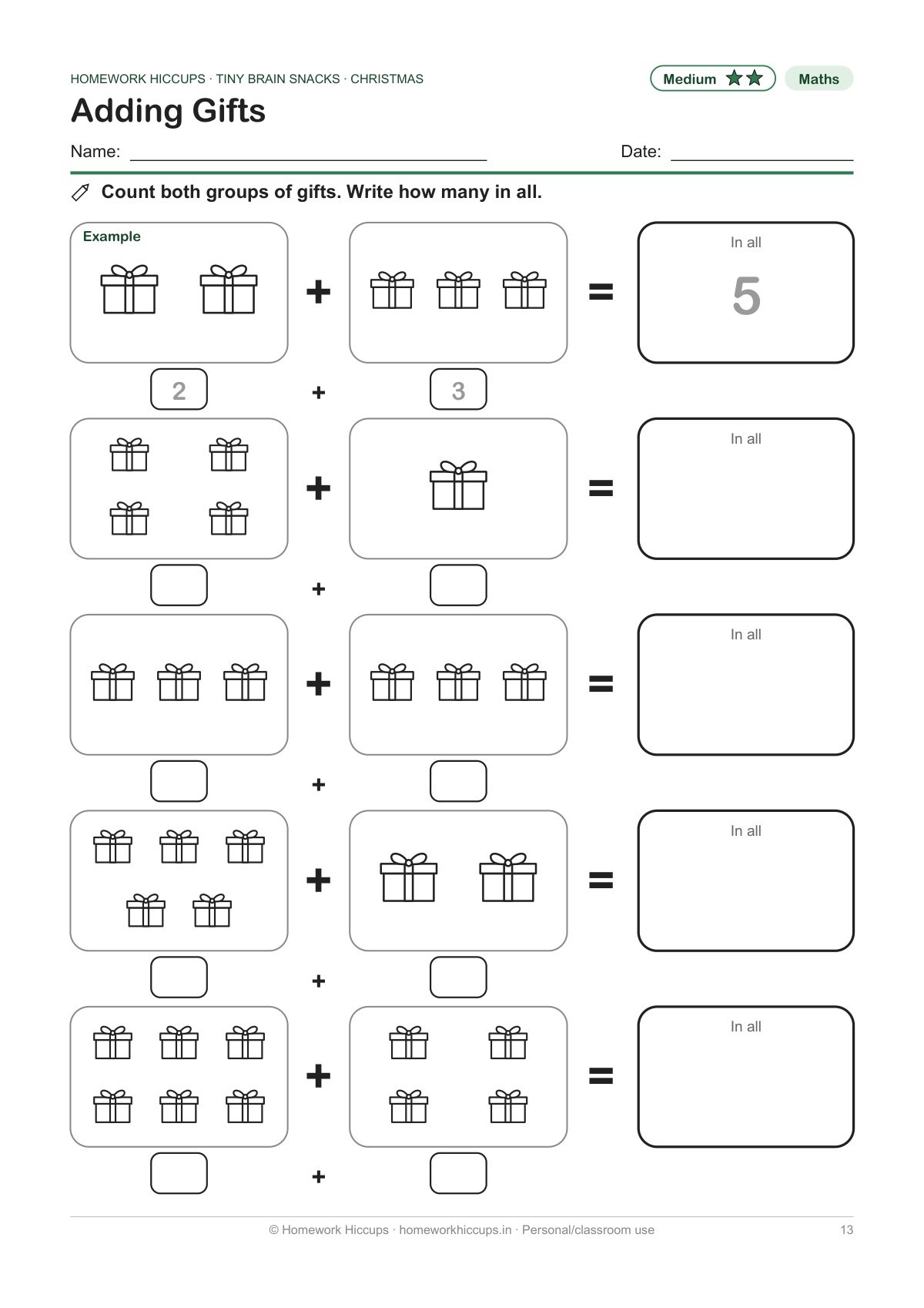
A dot to dot printable for kids looks like simple fun: join the numbers and a picture appears. But behind that little moment of surprise, your child is practising number order, careful looking and steady pencil lines, the same control they need for writing letters. That is why so many preschool and Class 1 teachers keep a pile of join-the-dots sheets ready for early finishers.

Print-ready worksheets for this topic
Cut and Paste Worksheets & Dot-to-Dot for Kids PDF – Scissor Skills Fun Pack, Ages 3–7 (34 Pages) – A4 PDF, instant download. ₹79 ₹149
This guide explains what dot-to-dot builds, which level suits which age, how to make your own dot-to-dot at home in three steps, and five easy picture ideas to draw tonight. You will also find variations for older children, like skip counting and alphabet dot-to-dots.
🧰 Make practice more fun at home
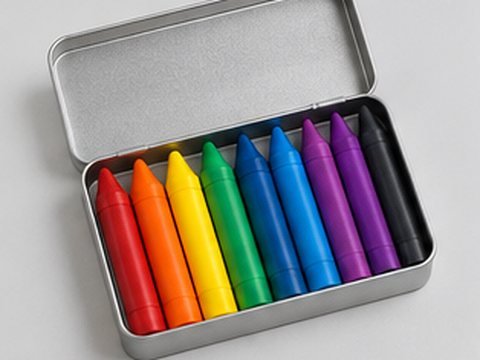 Jumbo wax crayonsChunky, non-toxic and easy for small hands to grip.See on Amazon →
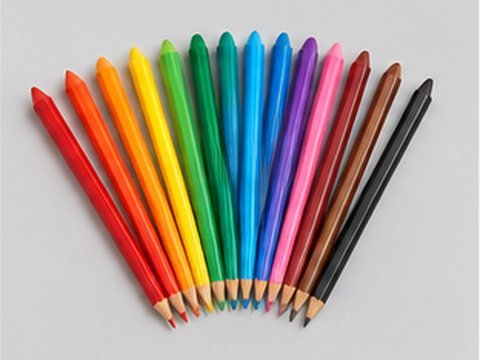 Colour pencils setBright, break-resistant colours for colouring pages.See on Amazon →
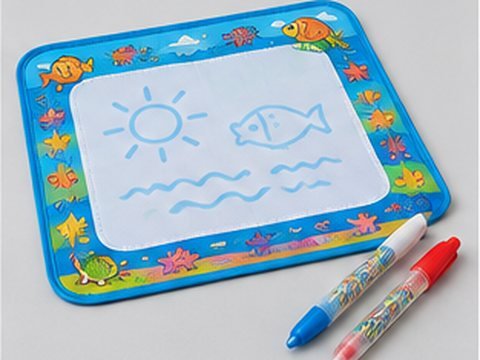 Water doodle matMess-free drawing with water pens, reusable.See on Amazon →
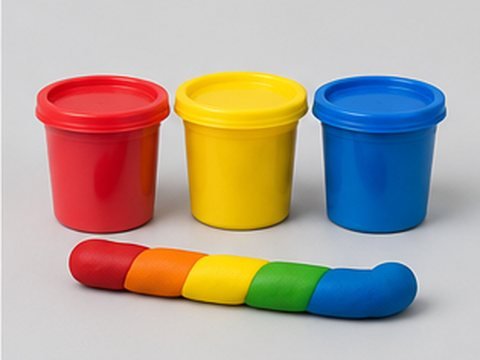 Play dough setSquishing and rolling builds hand strength.See on Amazon →
As an Amazon Associate, Homework Hiccups earns from qualifying purchases, at no extra cost to you.
Quick answer: Choose the dot-to-dot level by age and confidence:
- Ages 3–4: 1 to 10, big dots, simple shapes like a star or house.
- Age 5: 1 to 20, pictures like a rocket, butterfly or train.
- Age 6 and up: 1 to 30 or more, plus skip counting and A to Z versions.
- Move up a level only when your child finishes the current level without help.
Why dot to dot for kids is worth five minutes a day
Connect the dots for kids is one of the few activities that trains numbers and hand control at the same time. Here is what each sheet quietly practises:
- Number order. To find 14, your child has to know it comes after 13. Children who can count aloud to 20 often still struggle to find 17 on a page, and dot-to-dots fix that.
- Number recognition. Children must tell 12 from 21 and 6 from 9, which are common mix-ups at age five.
- Pencil control. Drawing a straight line from one dot to the next, and stopping on the dot, is exactly the control needed for writing letters like L, T and E.
- Visual scanning. Searching the page for the next number trains the eyes to move in an organised way, which helps reading too.
- Patience and finishing. The picture only appears if the child keeps going, so a dot-to-dot is a small lesson in finishing a task.
If your child finds pencil lines hard, mix dot-to-dots with other fine motor activities for preschoolers such as tearing paper, threading and play dough.
Dot to dot 1 to 20 and other levels: which suits your child?
| Level | Typical age | What it looks like | Signs your child is ready |
|---|---|---|---|
| 1–5 | 3 | Very big dots, one simple shape like a triangle or kite | Can count to 5 and hold a crayon |
| 1–10 | 3–4 | Big dots, simple outlines: star, house, fish | Recognises numbers 1 to 10 |
| 1–20 | 5 | Medium dots, pictures with curves: butterfly, rocket, elephant | Can say numbers in order to 20 and spot teen numbers |
| 1–30 | 6 | Smaller dots, more detail: peacock, lotus | Finishes 1–20 sheets alone and enjoys a challenge |
| 1–50 and up | 7+ | Detailed pictures with many dots | Confident with numbers to 50 and patient for 10 minutes |
These are guides, not rules. A four-year-old who loves numbers may enjoy 1 to 20, and a six-year-old who is new to it may need a week of 1 to 10. Before dot-to-dots, many children benefit from number tracing worksheets, so the numerals look familiar.
How to make a dot-to-dot at home in 3 steps
You do not need a printer. A pencil, a sheet of paper and three minutes are enough.
- Draw the picture lightly. Use a simple outline with mostly straight lines: a house, a boat, a star. Draw it very lightly in pencil.
- Put dots on the outline. Mark a dot at every corner and a few along each long line. For curves, place dots closer together. Number them in order, going around the shape one way. Write each number just outside its dot so the line will not cover it.
- Rub out the outline. Gently erase your pencil drawing, leaving only the dots and numbers. Go over the dots in pen if you want them to stand out.
Tip: Put a small star or a circle on dot number 1 so your child always knows where to start, and write “Start” beside it.
5 dot-to-dot picture ideas you can draw tonight
Each idea below tells you how many dots to use and where to put them. Draw the dots, number them, and let your child do the rest.
1. Star (10 dots, ages 3–4)
Draw a five-pointed star. Put a dot on each of the 5 outer points and each of the 5 inner corners, so 10 dots in all. Number them going round: point, inner corner, point, inner corner. Finish by joining 10 back to 1.
2. House (9 dots, ages 3–4)
Dot 1 at the bottom left, dot 2 at the bottom right, dot 3 at the top right of the wall, dot 4 at the tip of the roof, dot 5 at the top left of the wall, then back to 1. Add a door with dots 6, 7, 8 and 9 as a separate small rectangle, and join 9 back to 6. Your child learns that a picture can have two parts.
3. Kite (12 dots, ages 4–5)
Draw a diamond kite with 4 corner dots and 2 dots along each side, which makes 12. Leave the tail for your child to draw freehand with little bows. This is a lovely one to colour afterwards.
4. Boat (15 dots, age 5)
Use 7 dots for the boat base (a wide trapezium, wider at the top), 5 for a triangle sail and 3 for the mast. Children enjoy adding waves and a sun.
5. Fish (20 dots, age 5–6)
Draw an oval body with a triangle tail. Place 14 dots around the curved body, closer together at the nose, and 6 for the tail. Curves with many dots are great practice for joining carefully without skipping.
Prefer ready-to-print pages?
Cut and Paste Worksheets & Dot-to-Dot for Kids PDF – Scissor Skills Fun Pack, Ages 3–7 (34 Pages) – A4 PDF, instant download. ₹79 ₹149
Join the dots for kids: variations for older children
Once 1 to 30 feels easy, change the rule instead of only adding more dots:
- Skip counting in 2s. Number the dots 2, 4, 6, 8 up to 30. This is great practice for Class 1 children learning even numbers.
- Skip counting in 5s and 10s. Use 5, 10, 15 up to 50, or 10, 20, 30 up to 100.
- Alphabet dot-to-dot. Label the dots A, B, C instead of numbers. Use capital letters first, then small letters.
- Counting backwards. Number from 20 down to 1, which is harder than it sounds.
- Hindi ginti. For children learning Hindi numerals, label the dots १, २, ३ up to १०.
- Make one for a sibling. Children aged 7 and up love making their own puzzle for someone else to solve.
Making dot-to-dot time go smoothly
- Use a pencil, not a sketch pen. Mistakes can be rubbed out without tears.
- Say the numbers aloud. “12… where is 13?” This keeps younger children on track.
- Use a ruler for older children. Six- and seven-year-olds enjoy making straight lines with a small ruler.
- Do not rush to help. If your child cannot find the next number, ask, “Is it near the top or the bottom?” rather than pointing.
- Colour the result. Turning the finished picture into a colouring page adds another few minutes of calm hand practice.
Dot-to-dots pair well with mazes, since both ask children to plan a path. See our free printable mazes for kids for more ideas.
Dot to dot worksheets: a ready-to-print set
If you would rather print than draw, our Dot-to-Dot and Cut-and-Paste Fun Pack (34 pages, ages 3–7) has 10 dot-to-dot pictures that grow in steps: 4 easy ones from 1 to 10 (star, house, kite, fish), 4 medium ones from 1 to 20 (rocket, butterfly, train, elephant) and 2 harder ones from 1 to 30 (peacock and lotus). Answer keys show every finished picture. The same pack has 6 scissor-skills warm-ups and 9 cut-and-paste activities, such as sorting fruits and vegetables and building an auto-rickshaw from shapes, plus a scissor safety page for grown-ups and a certificate.
Get the Dot-to-Dot and Cut-and-Paste Pack – ₹79
You can try the free dot-to-dot and cut-and-paste sample first. For more scissor practice, see our free cut and paste worksheets, or browse all activity packs.
Download 10 Dot-to-Dots from 1–10 to 1–30 – ₹79
🧸 Learning toys kids love
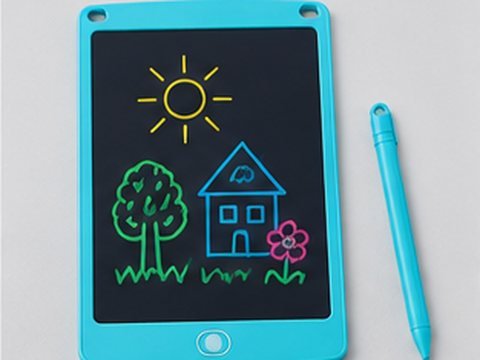 LCD writing tabletWrite, erase with one button, write again: no paper.See on Amazon →
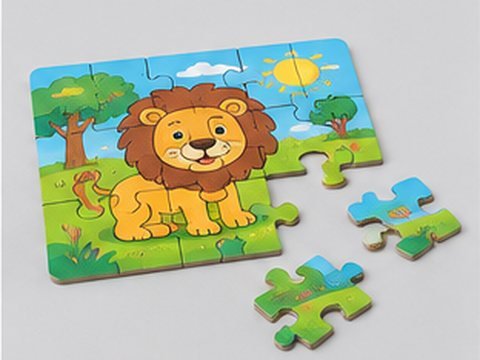 Jigsaw puzzles (3–6 yrs)Screen-free focus time for little ones.See on Amazon →
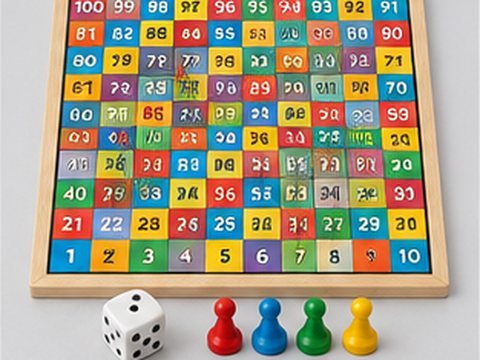 Educational board gamesFamily game time that sneaks in learning.See on Amazon →
 Building blocksOpen-ended play that builds counting and creativity.See on Amazon →
As an Amazon Associate, Homework Hiccups earns from qualifying purchases, at no extra cost to you.
Frequently asked questions
At what age can a child do dot to dot?
Many children can try simple 1 to 10 dot-to-dots at around age 3 or 4, once they recognise numbers to 10 and can hold a crayon. Every child is different, so start easy.
What are the benefits of dot to dot for kids?
Dot-to-dots practise number order, number recognition, pencil control and visual scanning. They also build patience, because the picture only appears when the child finishes.
Should my 5-year-old do 1 to 20 or 1 to 30?
Most 5-year-olds do well with 1 to 20. Move to 1 to 30 only when your child can finish 1 to 20 pictures without help.
How do I make a dot-to-dot at home?
Lightly draw a simple outline, put numbered dots on every corner and along the lines, then rub out the outline so only the dots and numbers are left.
Can dot-to-dot help with handwriting?
Yes. Drawing a straight line from one dot to the next and stopping on the dot uses the same control children need to form letters and numbers.