The days around Diwali are busy: guests arrive, sweets are being made and the house is half-cleaned. A good set of Diwali colouring pages for kids gives children a calm, happy job at the table while the grown-ups get things done. Colouring also builds the hand strength and pencil control children need for writing.
Print-ready worksheets for this topic
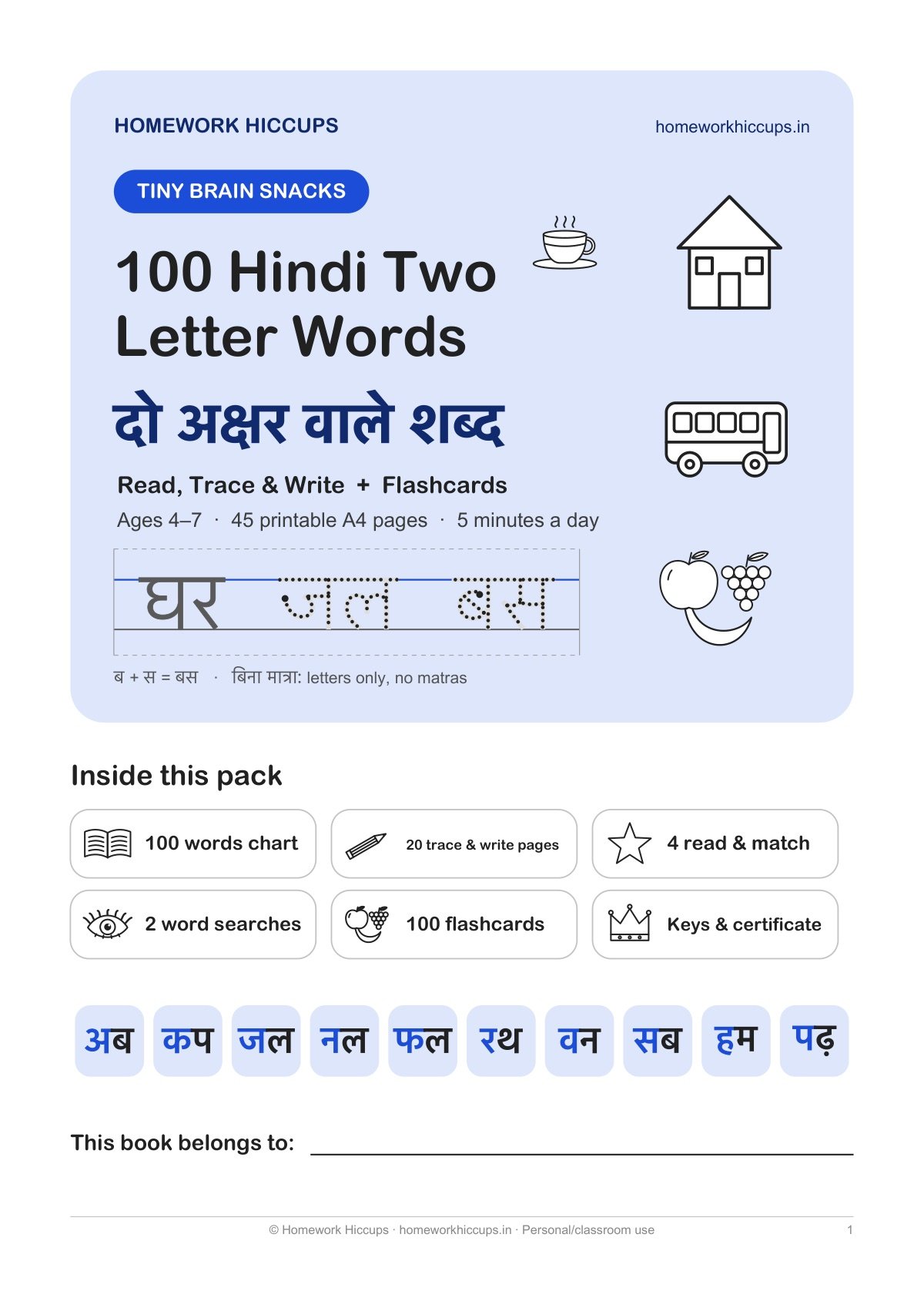
Diwali Worksheets for Kids PDF – Colouring, Maths, Puzzles & Crafts, Ages 3–8 (30 Pages) – A4 PDF, instant download. ₹99 ₹199
This guide gives you 10 Diwali colouring themes you can draw yourself or print, colouring tips by age, how colour-by-number works, and a quiet, cracker-free way to frame the festival. Diwali 2026 falls on Sunday 8 November, so the holiday week is a perfect time to start.
🧰 Make practice more fun at home
As an Amazon Associate, Homework Hiccups earns from qualifying purchases, at no extra cost to you.
Quick answer: The best Diwali colouring pages for kids are:
- Ages 3–4: one big diya, a simple lantern, a single flower rangoli with thick lines.
- Ages 5–6: a sweets box, a rangoli with 8 petals, a family lighting diyas.
- Ages 7–8: detailed rangoli, a night scene with lights, colour-by-number designs.
- Tip: keep sessions to 10–15 minutes and let children choose their own colours.
10 Diwali colouring page ideas for kids
You can sketch any of these with a black marker on A4 paper in a few minutes. Draw thick outlines for little ones and add small details for older children.
1. The big diya colouring page
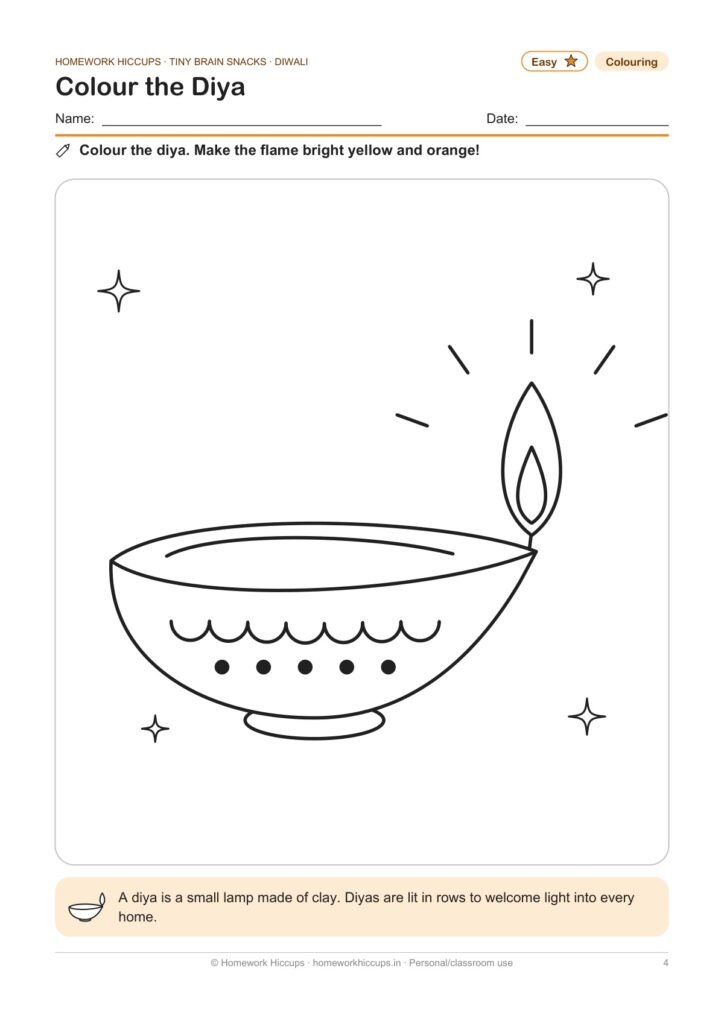
A clay lamp with a tall flame is the classic diya colouring page. Draw it large and in the centre. Toddlers colour the flame yellow and orange; older children add patterns of dots and lines on the lamp.
2. Rangoli colouring page
Draw a circle, then 8 petals around it, then a ring of dots. Ask children to colour opposite petals the same colour. This quietly teaches symmetry, which we explore more in our rangoli worksheet for kids guide.
3. Akash kandil (sky lantern)
A star-shaped or box-shaped paper lantern with long tassels hanging down. Children love making each tassel a different colour.
4. Sweets box
An open box with round ladoos and diamond-shaped barfi. Ask: how many ladoos can you colour orange? It is a sneaky counting activity too.
5. Family lighting diyas together
Simple stick figures or round faces around a row of diyas. Children can colour clothes to look like their own family and add their own names.
6. A row of diyas at the door
Five or ten small diyas along a doorstep. Younger children practise staying inside small shapes; older ones can colour in a pattern: red, yellow, red, yellow.
7. Toran (door hanging)
A line across the top of a door with mango leaves and marigold flowers hanging from it. Great for practising green and orange.
8. A bright, calm night sky
A house with lit windows, stars and a gentle moon. This is a lovely cracker-free night scene, and it helps children notice that Diwali is about light, not noise.
9. Gift and greeting card
Fold an A4 sheet in half, draw a diya on the front and write “Happy Diwali”. Children colour it and give it to a grandparent or neighbour.
10. Marigold flower garland
A curved string of round flowers. Children can colour each flower orange or yellow and count them at the end.
Diwali colouring tips by age
| Age | What to give | What to expect | How to help |
|---|---|---|---|
| 3–4 years | Thick crayons, 1 big shape per page | Scribbles that go outside lines | Praise colour choices, not neatness |
| 4–5 years | Crayons, 2–4 shapes per page | Colouring mostly inside big shapes | Show how to outline first, then fill |
| 5–6 years | Colour pencils, rangoli with 8 petals | Choosing colours on purpose | Try a simple pattern, such as red and yellow |
| 6–8 years | Colour pencils, sketch pens, detailed designs | Neat, even colouring | Introduce shading and colour-by-number |
Small habits that make colouring neater
- Outline, then fill: colour along the inside edge of a shape first, then fill the middle.
- One direction: strokes that all go the same way look smoother than scribbles.
- Light, then dark: press gently first; you can always add more colour.
- Short pencils: broken crayon pieces actually help little hands grip better.
- Turn the page: it is fine to rotate the sheet to reach awkward corners.
How colour-by-number works
A colour-by-number page has small spaces marked with numbers and a key at the top, such as 1 = red, 2 = yellow, 3 = green. Children find each number and colour that space. It practises number recognition, matching and following instructions, and the picture slowly appears as they go.
To make your own Diwali colour-by-number, draw a rangoli with petals and rings, write 1, 2 or 3 in each part, and add a key. Start with only 2 or 3 colours for 5-year-olds. For 7- and 8-year-olds you can use 5 colours or even small sums: a space marked 2 + 1 is coloured with colour 3.
Try this mini colour-by-sum key
| Sum in the space | Answer | Colour |
|---|---|---|
| 1 + 1 | 2 | Yellow |
| 2 + 1 | 3 | Orange |
| 2 + 2 | 4 | Red |
| 3 + 2 | 5 | Green |
Write these sums inside the petals of a rangoli, and your child solves and colours at the same time.
Diwali drawing for kids: colouring a picture they drew
Some children prefer to draw first and then colour. Give them a simple order to follow:
- Draw a big oval for the diya.
- Add a small drop shape on top for the flame.
- Draw a rangoli circle below it.
- Add stars or a lantern in the space above.
- Colour the flame first, then the diya, then the rest.
This works well in Class 1 art periods too. Keep the drawing to five minutes and the colouring to ten.
Prefer ready-to-print pages?
Diwali Worksheets for Kids PDF – Colouring, Maths, Puzzles & Crafts, Ages 3–8 (30 Pages) – A4 PDF, instant download. ₹99 ₹199
A calm, cracker-free way to talk about Diwali
Colouring time is a natural moment to chat. You might say: “Diwali is the festival of lights. We light diyas, make rangoli, share sweets and spend time with family.” Many children are scared of loud crackers, and pets are too. A colouring page of a bright night sky or a row of diyas lets children celebrate the light without the noise. In mixed classrooms, focusing on lights, family and sharing keeps the activity friendly for every child.
Diwali colouring sheets for class: a 20-minute plan
| Time | Activity |
|---|---|
| 0–3 min | Show a real diya; children say one thing they know about Diwali |
| 3–15 min | Colour one Diwali colouring sheet each, with soft music |
| 15–18 min | Write a name and one word: light, diya, sweets or family |
| 18–20 min | Pin finished pages in a “wall of diyas” display |
For a Diwali colouring page for Class 1, add a writing line at the bottom: “My diya is ______.” Children fill in a colour word.
Printable Diwali colouring pages pack
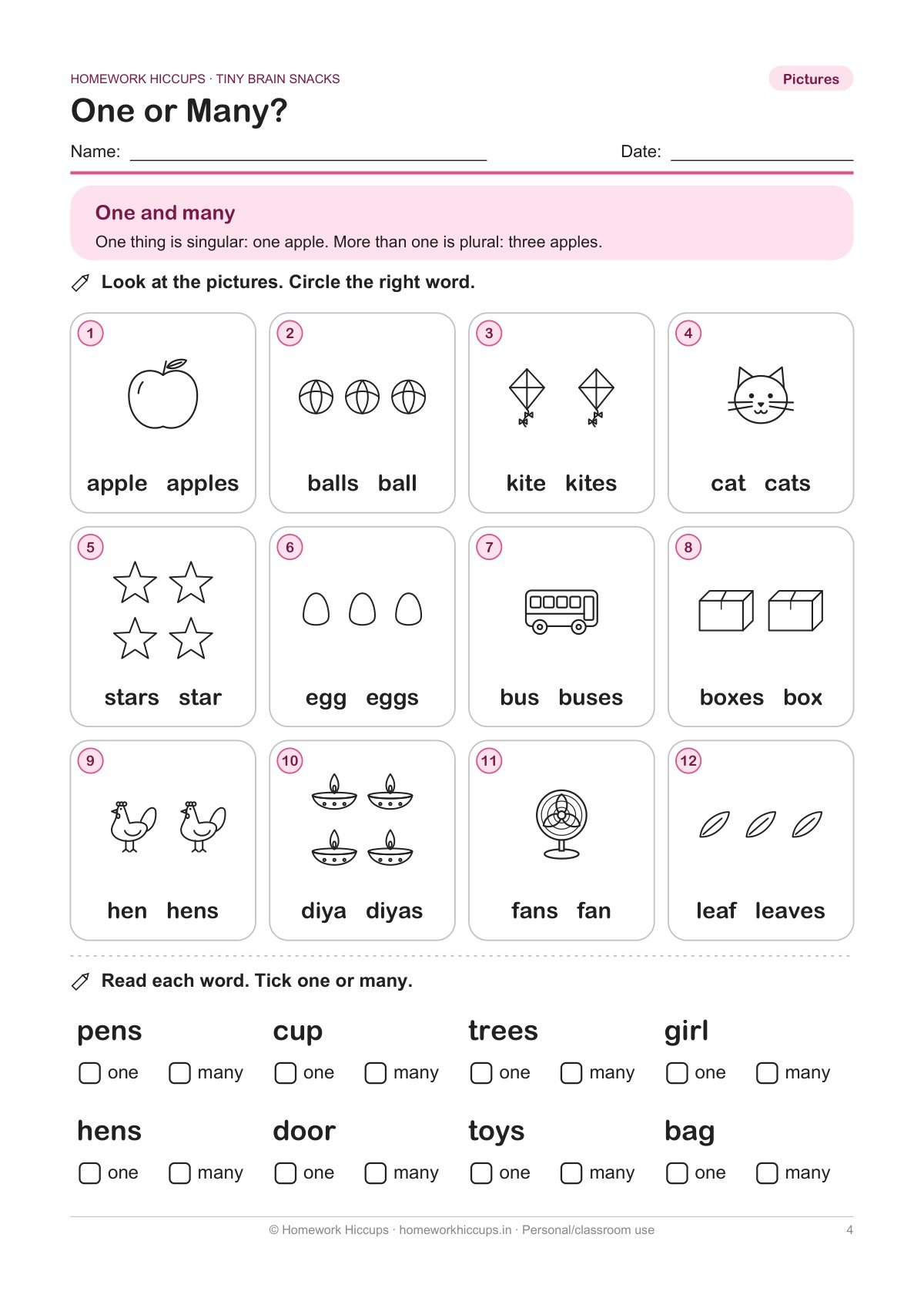
If you would rather print than draw, our Diwali Worksheets for Kids pack has 6 colouring pages: a diya, a rangoli, an akash kandil, a sweets box with ladoo and barfi, a family lighting diyas together, and a bright, gentle night sky with lights rather than loud crackers. It also has a colour-by-number rangoli, a rangoli symmetry dot grid, counting diyas, sums to 10, a maze, spot the difference, a word search, tracing, a greeting card, a paper lantern craft and a kindness checklist. That is 30 black line-art A4 pages for ages 3–8, with Easy and Medium star levels so siblings can share.
Get the Diwali Colouring and Activity Pack – ₹99
Want to see the style first? Download the free Diwali sample, which has 3 real pages from the pack. You will also find more ideas in our Diwali activities for kids post, a set of 10 lines on Diwali for homework, and other seasonal printables in free festival worksheets for kids.
Download the Diwali Worksheets PDF – ₹99
If you would like a whole year of printables, the Complete Worksheet Library bundle (₹699) includes the Diwali pack along with 19 other original packs.
🧸 Learning toys kids love
As an Amazon Associate, Homework Hiccups earns from qualifying purchases, at no extra cost to you.
Frequently asked questions
What can kids colour for Diwali?
Popular Diwali colouring themes are a diya, a rangoli, an akash kandil, a sweets box, a toran, a marigold garland, a family lighting diyas and a calm night sky with lights.
Which colours are used for a diya colouring page?
Children usually colour the flame yellow and orange and the clay lamp brown, red or orange. Older children can add patterns in any colours they like.
Is colour-by-number suitable for UKG?
Yes, if you keep it to two or three colours and large spaces. Children aged 5 and 6 enjoy matching numbers to colours, and it builds number recognition.
Do I need a colour printer for Diwali colouring sheets?
No. Colouring sheets are black line art, so a black-and-white printer on A4 paper is all you need.
How long should a colouring session last for young children?
About 10 to 15 minutes is right for ages 3 to 5. Older children may happily colour for 20 minutes, especially with detailed rangoli designs.