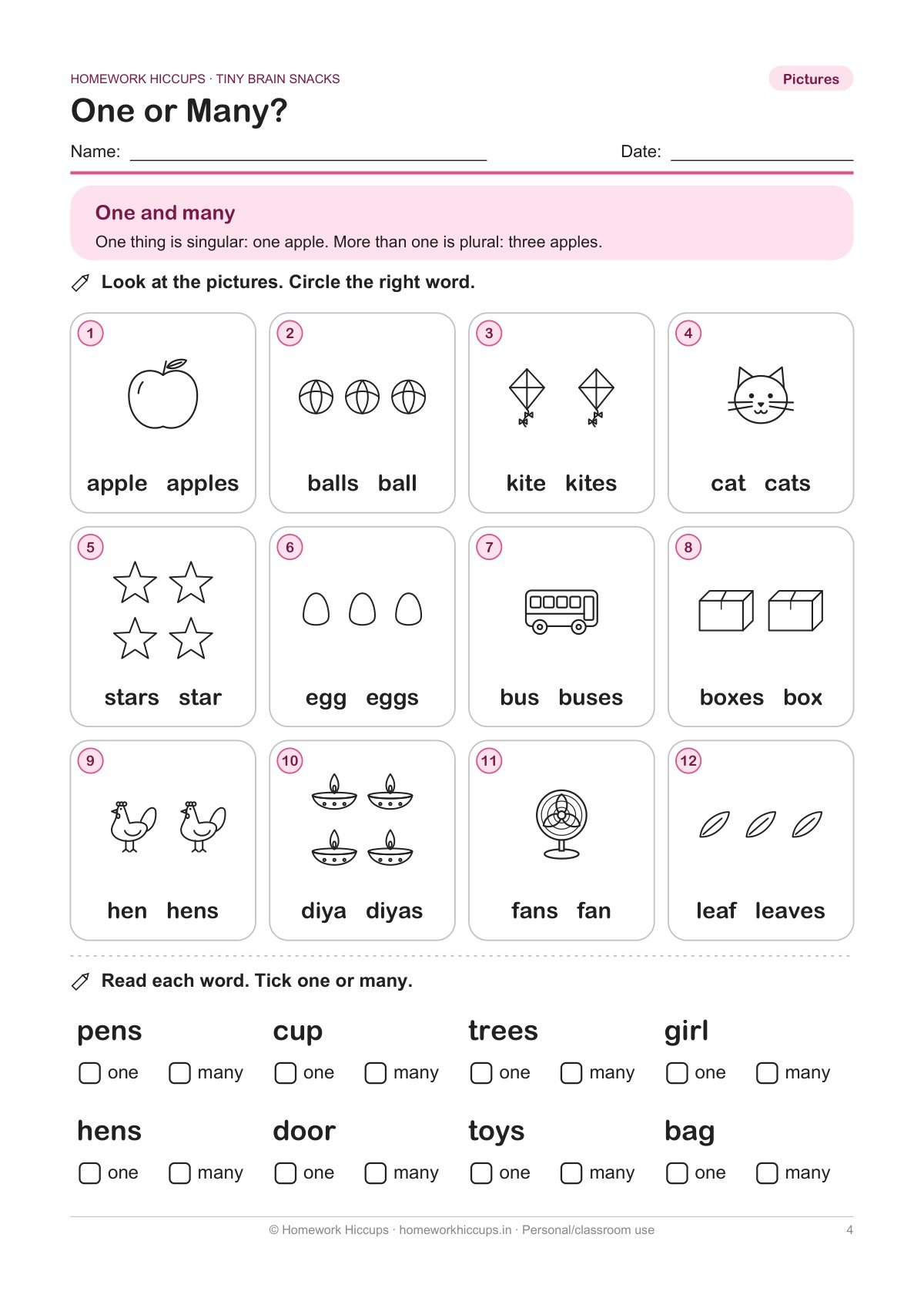
Looking for Hindi poems for class 1 that are short, easy to remember and fun to act out? Children learn a language fastest through rhythm. A four-line bal kavita about a mango or the rain sticks in a child’s memory far better than a list of words, and it quietly teaches matras, rhyme and clear speaking at the same time.

Print-ready worksheets for this topic
Hindi Matra Worksheets PDF – Barakhadi, Matra Words & Sentences (मात्रा अभ्यास), Ages 5–7 (44 Pages) – A4 PDF, instant download. ₹99 ₹199
Below are 10 original short Hindi poems written for this page, each with Devanagari, Roman transliteration and English meaning, plus simple actions. After the poems you will find how to use them to teach matras and rhyming words (तुकांत शब्द), and a recitation checklist for school competitions. You are welcome to copy them for home or class.
🧰 Make practice more fun at home
As an Amazon Associate, Homework Hiccups earns from qualifying purchases, at no extra cost to you.
Quick answer: Good Hindi poems for Nursery and Class 1 are:
- Short: 4 lines, with 4 to 6 words per line.
- Familiar: about mango, rain, moon, train, school, mother or pets.
- Rhyming: clear rhymes like आया and लाया, खेत and रेत.
- Active: each line has an action children can do.
10 short Hindi poems for kids (bal kavita in Hindi)
1. आम (Aam, Mango)
पीला-पीला आम है आया,
मीठा-मीठा रस है लाया।
गर्मी में सबको यह भाता,
मुन्ना खाकर गाना गाता।
Peela-peela aam hai aaya, meetha-meetha ras hai laaya. Garmi mein sabko yah bhaata, Munna khaakar gaana gaata.
Meaning: The yellow mango has come and brought sweet juice. Everyone loves it in summer; Munna eats it and sings a song. Action: pretend to hold and bite a mango.
2. बारिश (Baarish, Rain)
काले बादल गरजे भाई,
रिमझिम-रिमझिम बारिश आई।
कागज़ की हम नाव चलाएँ,
छप-छप करके गाना गाएँ।
Kaale baadal garje bhaai, rimjhim-rimjhim baarish aai. Kaagaz ki hum naav chalaaen, chhap-chhap karke gaana gaaen.
Meaning: The dark clouds thundered, brother, and the gentle rain came. Let us sail paper boats and sing as we splash. Action: wiggle fingers down like rain, then stamp feet.
3. चाँद (Chaand, Moon)
आसमान में चाँद निकलता,
तारों के संग धीरे चलता।
चम-चम चमके चाँदनी सारी,
लगती है सबको बड़ी प्यारी।
Aasmaan mein chaand nikalta, taaron ke sang dheere chalta. Cham-cham chamke chaandni saari, lagti hai sabko badi pyaari.
Meaning: The moon rises in the sky and moves slowly with the stars. All the moonlight sparkles, and everyone finds it lovely. Action: make a circle with arms, then twinkle fingers.
4. रेलगाड़ी (Railgaadi, Train)
छुक-छुक करती रेल चली,
पटरी पर वह दौड़ चली।
खिड़की से हम देखें खेत,
नदी, पहाड़ और पीली रेत।
Chhuk-chhuk karti rail chali, patri par vah daud chali. Khidki se hum dekhen khet, nadi, pahaad aur peeli ret.
Meaning: The train set off, chugging, and ran along the track. From the window we see fields, rivers, hills and yellow sand. Action: children hold shoulders in a line and chug around the room.
5. मेरा स्कूल (Mera School, My School)
सुबह-सुबह मैं स्कूल जाऊँ,
टीचर जी को शीश झुकाऊँ।
दोस्तों के संग पढ़ूँ-लिखूँ,
रोज़ नई-नई बातें सीखूँ।
Subah-subah main school jaaun, teacher ji ko sheesh jhukaaun. Doston ke sang padhun-likhun, roz nayi-nayi baaten seekhun.
Meaning: Early in the morning I go to school and bow my head to my teacher. I read and write with my friends and learn new things every day. Action: march, then bow, then pretend to write.
6. मेरी माँ (Meri Maa, My Mother)
मेरी माँ है सबसे प्यारी,
सबसे अच्छी, सबसे न्यारी।
लोरी गाकर मुझे सुलाती,
प्यार से मुझको गले लगाती।
Meri maa hai sabse pyaari, sabse achchhi, sabse nyaari. Lori gaakar mujhe sulaati, pyaar se mujhko gale lagaati.
Meaning: My mother is the dearest, the best and the most special of all. She sings a lullaby to put me to sleep and hugs me with love. Action: rock arms like a cradle, then hug yourself.
7. बिल्ली (Billi, Cat)
म्याऊँ-म्याऊँ करती बिल्ली,
घूम के आई पूरी दिल्ली।
दूध-मलाई चट कर जाती,
चूहा देखकर दौड़ लगाती।
Myaaun-myaaun karti billi, ghoom ke aai poori Dilli. Doodh-malaai chat kar jaati, chooha dekhkar daud lagaati.
Meaning: The cat goes meow-meow; she has wandered all round Delhi. She licks up milk and cream, and runs when she sees a mouse. Action: paws up, meow, then run on the spot.
8. तितली (Titli, Butterfly)
रंग-बिरंगी तितली रानी,
फूलों की है बड़ी दीवानी।
उड़-उड़ कर वह बाग़ में जाती,
सबके मन को खूब लुभाती।
Rang-birangi titli raani, phoolon ki hai badi deewaani. Ud-ud kar vah baag mein jaati, sabke man ko khoob lubhaati.
Meaning: The colourful butterfly queen loves flowers very much. She flies to the garden and delights everyone. Action: flap arms gently like wings.
9. सूरज दादा (Sooraj Daada, Grandpa Sun)
सूरज दादा जल्दी आते,
सबको सुबह-सुबह जगाते।
धूप सुनहरी साथ में लाते,
फूल और पत्ते सब मुस्काते।
Sooraj daada jaldi aate, sabko subah-subah jagaate. Dhoop sunahri saath mein laate, phool aur patte sab muskaate.
Meaning: Grandpa Sun comes early and wakes everyone in the morning. He brings golden sunshine, and the flowers and leaves all smile. Action: rise from crouching with arms spread wide.
10. हाथी दादा (Haathi Daada, Grandpa Elephant)
हाथी दादा मोटे-मोटे,
कान बड़े और नैना छोटे।
लंबी सूँड से पानी पीते,
जंगल में मस्ती से जीते।
Haathi daada mote-mote, kaan bade aur naina chhote. Lambi soond se paani peete, jangal mein masti se jeete.
Meaning: Grandpa Elephant is big and round, with big ears and small eyes. He drinks water using his long trunk and lives happily in the jungle. Action: swing one arm like a trunk.
Children may also know traditional rhymes such as Machhli Jal Ki Rani Hai, Chanda Mama Door Ke and Lakdi Ki Kathi. These are lovely to sing together; check your child’s school book for the versions they use.
Hindi poems for Class 1 and a Hindi poem for nursery: which suits which age?
| Age / class | Good poems from this list | Why |
|---|---|---|
| Nursery (3 to 4) | बिल्ली, हाथी दादा, बारिश | Animal sounds and big actions |
| LKG (4 to 5) | आम, तितली, रेलगाड़ी | Familiar things, easy rhymes |
| UKG (5 to 6) | चाँद, सूरज दादा, मेरी माँ | Longer words, feelings |
| Class 1 (6 to 7) | मेरा स्कूल, any poem to read alone | Reading practice with matras |
For more Hindi activities for the youngest learners, see our Hindi worksheets for nursery guide.
Use Hindi kavita for Class 1 to teach matras
Once a child can recite a poem, it becomes a reading text they already know, which makes decoding much easier. Write the poem on a chart and try these:
- Matra hunt: circle every आ की मात्रा (ा) in the mango poem: पीला, आया, मीठा, लाया, भाता, खाकर, गाना, गाता.
- Badi ee hunt: find ी in पीला, मीठा, लोरी and नदी.
- Chhoti u and badi oo: find ु in मुन्ना and ू in सूरज, फूल, सूँड, चूहा.
- E and ai: find े in देखें, खेत, रेत and ै in मैं.
- Chandrabindu: spot ँ in चाँद, जाऊँ, सूँड and म्याऊँ.
Our Hindi reading worksheets for Class 1 post has more ways to move from poems to independent reading.
Rhyming words: तुकांत शब्द (tukaant shabd)
Rhyming words end with the same sound. Ask children to find the pairs in each poem:
| Poem | Rhyming pairs |
|---|---|
| आम | आया – लाया, भाता – गाता |
| बारिश | भाई – आई, चलाएँ – गाएँ |
| रेलगाड़ी | खेत – रेत |
| बिल्ली | बिल्ली – दिल्ली, जाती – लगाती |
| हाथी दादा | मोटे – छोटे, पीते – जीते |
Then play a rhyme game: say a word like नाव and let children suggest rhymes such as गाँव and छाँव. The same idea in English is covered in our rhyming words for Class 1 post.
Hindi poem recitation for kids: a checklist
Many schools hold a Hindi poem recitation in Class 1. Use this checklist in the week before.
- Pick a short poem your child likes; 4 to 8 lines is plenty.
- Learn two lines a day, and revise the old lines before adding new ones.
- Say the meaning in simple words so your child knows what each line is about.
- Check pronunciation: ड़ in दौड़ and पहाड़, and the nasal sound in चाँद.
- Add three or four actions, not one for every word.
- Practise standing still, feet together, looking at the audience.
- Start and end properly: say the poem’s name first and “धन्यवाद” (dhanyavaad, thank you) at the end.
- Do a family show two days before, so the real day feels familiar.
Prefer ready-to-print pages?
Hindi Matra Worksheets PDF – Barakhadi, Matra Words & Sentences (मात्रा अभ्यास), Ages 5–7 (44 Pages) – A4 PDF, instant download. ₹99 ₹199
Short Hindi poems for kids: tips for parents
- Recite at bath time, in the car or at bedtime; repetition matters more than long sessions.
- Let your child change a word, such as the name Munna to their own name. Ownership makes poems stick.
- Draw one picture for each poem and stick it on the wall as a cue.
- Do not correct every mistake while they recite; praise first, then fix one thing.
Reading practice with the Hindi Matra pack
When your child starts reading poems on their own, matra practice helps a lot. The Hindi Matra Worksheets PDF (44 A4 pages, ₹99, ages 5 to 7) covers no-matra words and all 10 matras (ा ि ी ु ू े ै ो ौ ं), with syllable tracing, picture words, a बारहखड़ी chart, read-aloud sentences such as सूरज निकला। and answer keys. Licence: personal or single-classroom use.
Get the Hindi Matra Worksheets PDF – ₹99
Try a free sample first: 5 pages with the cover, 3 real pages from the pack and the contents page. See also our Hindi worksheets for Class 1 guide and all Hindi worksheets.
🧸 Learning toys kids love
As an Amazon Associate, Homework Hiccups earns from qualifying purchases, at no extra cost to you.
Want everything for Nursery to Class 2?
Complete Worksheet Library – All 20 Packs for Ages 3–8 (790+ Pages): all 20 printable packs, 790+ A4 pages of English, maths, Hindi, EVS and festival activities. ₹699 ₹2130
Frequently asked questions
Which Hindi poem is best for Class 1 recitation?
Choose a short poem of 4 to 8 lines on something your child loves, such as a mango, rain or a pet, so it is easy to remember and act out.
How can my child learn a Hindi poem quickly?
Learn two lines a day, explain the meaning, add a few actions and repeat at bath time and bedtime. Revise old lines before adding new ones.
What are tukaant shabd?
Tukaant shabd are rhyming words in Hindi, words that end with the same sound, such as khet and ret or aaya and laaya.
Are these Hindi poems original?
Yes. The 10 poems on this page were written for Homework Hiccups. You may copy them for home or classroom use.
Can nursery children learn Hindi poems?
Yes. Nursery children enjoy short animal poems with sounds and actions. They learn by listening and repeating long before they can read.