Ascending and descending order for UKG often trips children up for a simple reason: the words are long and sound alike. A five-year-old may happily put 3, 1, 2 in the right order, but freeze when the worksheet says “arrange in ascending order”. The fix is to teach the idea first, using pictures, steps and objects, and to bring in the long words only once the idea is clear.
Print-ready worksheets for this topic
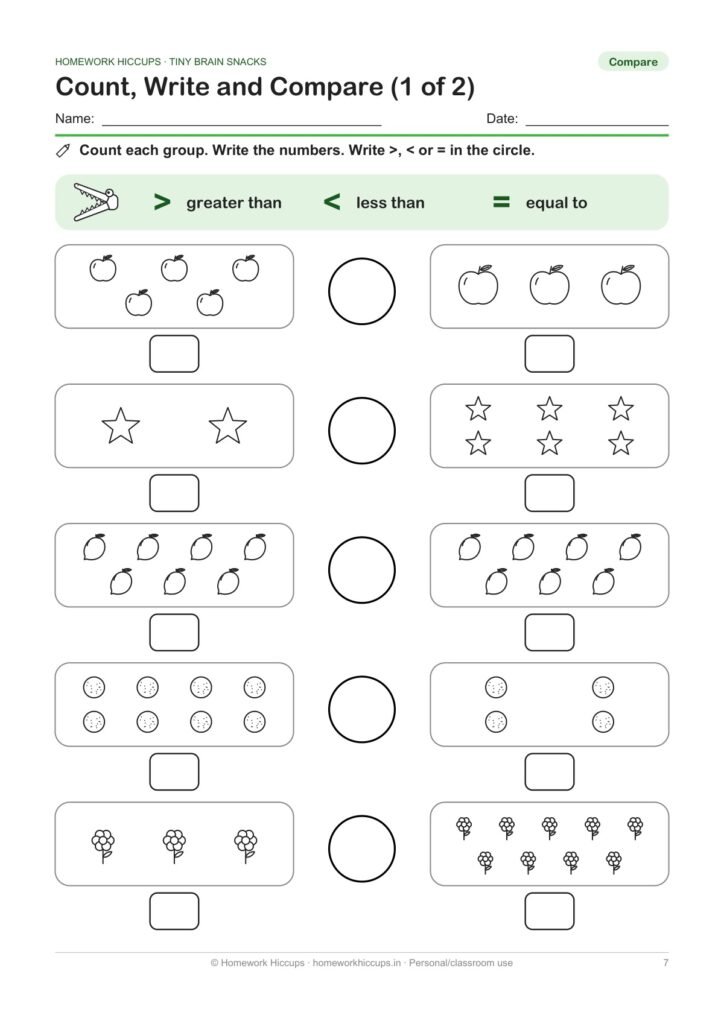
Greater Than Less Than Worksheets for UKG PDF – Comparing Numbers 1 to 20 (24 Pages) – A4 PDF, instant download. ₹49 ₹99
This guide uses a staircase picture (going up, coming down), then moves from ordering by size, to ordering groups, to ordering numbers to 20. You get 20 practice questions with answers and a number-card game you can play at home or in class.
🧰 Make practice more fun at home
 A4 printing paperBright 75–80 GSM sheets so worksheets print crisp.See on Amazon →
 Wipe-clean sheet protectorsSlip a page in, write, wipe and reuse.See on Amazon →
 Abacus for kidsBead counting makes sums visible and fun.See on Amazon →
 Magnetic numbers boardBuild sums on the fridge or a magnetic board.See on Amazon →
As an Amazon Associate, Homework Hiccups earns from qualifying purchases, at no extra cost to you.
Quick answer:
- Ascending order means smallest to biggest, like climbing up the stairs: 2, 5, 8.
- Descending order means biggest to smallest, like coming down the stairs: 8, 5, 2.
- Teach it in three steps: order objects by size, then groups by count, then numbers to 20.
The staircase trick: going up and coming down
Draw a staircase with five steps on the board. Write 1 on the bottom step, then 2, 3, 4 and 5 at the top. Walk two fingers up the steps: “1, 2, 3, 4, 5. We are going up. Going up is ascending.” Then walk them down: “5, 4, 3, 2, 1. We are coming down. Coming down is descending.”
A memory line children like: “Ascending – a climb up. Descending – down we go.” If you have real stairs at home or school, count up and down them together. Children remember what their legs did.
Step 1: Order by size (smallest to biggest)
Before numbers, children should order real things. Collect three or four objects of the same kind in different sizes: spoons, steel bowls, shoes, books or teddies. Ask:
- “Which is the smallest? Put it first.”
- “Which is the biggest? Put it last.”
- “Where does this one go?”
Then reverse it: “Now start with the biggest.” Use the words smallest to biggest and biggest to smallest at this stage, not ascending and descending. Children who are still unsure about big and small can practise with our comparing ideas in greater than less than worksheets.
Step 2: Order groups by how many
Make three groups of buttons or blocks: 2, 5 and 8. Ask your child to count each group, write the number on a slip of paper and put the groups in a row from the group with the fewest to the group with the most. Then read the slips: “2, 5, 8. That is ascending order.” This step links the idea of “how many” to the written number.
Step 3: Number order 1 to 20
Now use number cards. A 1 to 20 number line on the table helps a lot: children find each number on the line, and the one closest to the start is the smallest. Knowing which number comes before and after another is a big help here; see our before and after numbers post for practice.
Watch out for the “teen” trap. Some children think 9 is bigger than 12 because 9 is a bigger digit. Explain: “12 has two digits, a ten and two ones. Any number with two digits is bigger than a number with one digit.” Showing 12 as a bundle of ten sticks and two loose sticks makes this clear.
🧸 Learning toys kids love
 Maths board gamePractise numbers while playing as a family.See on Amazon →
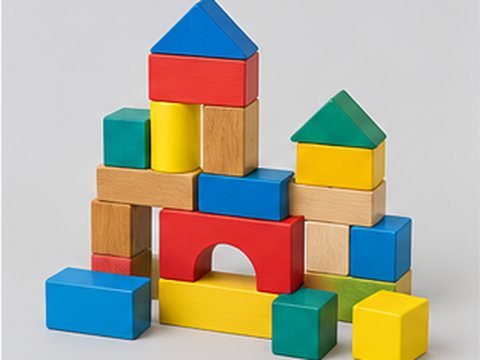 Building blocksOpen-ended play that builds counting and creativity.See on Amazon →
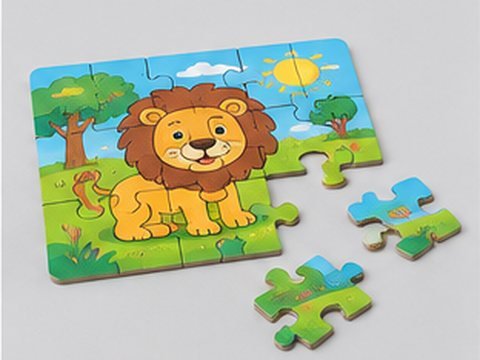 Jigsaw puzzles (3–6 yrs)Screen-free focus time for little ones.See on Amazon →
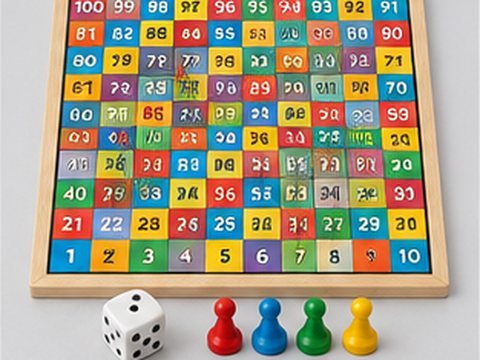 Educational board gamesFamily game time that sneaks in learning.See on Amazon →
As an Amazon Associate, Homework Hiccups earns from qualifying purchases, at no extra cost to you.
20 practice questions with answers
Write these on the board or in a notebook. The first three use pictures or objects; the rest use numbers to 20.
Pictures and groups
- Arrange from smallest to biggest: elephant, cat, ant.
- Arrange from biggest to smallest: mango, watermelon, grape.
- Arrange the groups in ascending order: 5 balls, 2 balls, 8 balls.
Ascending order (smallest to biggest)
- 3, 1, 2
- 5, 9, 7
- 8, 2, 6
- 10, 4, 7
- 12, 15, 11
- 18, 13, 16
- 20, 9, 14
- 6, 3, 9, 1
- 17, 11, 19, 14
Descending order (biggest to smallest)
- 2, 5, 4
- 7, 9, 8
- 1, 10, 6
- 13, 19, 15
- 11, 20, 16
- 8, 3, 12, 5
Smallest and biggest
- Circle the smallest number: 14, 9, 17
- Circle the biggest number: 16, 19, 12
Answer key
| Q | Answer | Q | Answer |
|---|---|---|---|
| 1 | ant, cat, elephant | 11 | 1, 3, 6, 9 |
| 2 | watermelon, mango, grape | 12 | 11, 14, 17, 19 |
| 3 | 2 balls, 5 balls, 8 balls | 13 | 5, 4, 2 |
| 4 | 1, 2, 3 | 14 | 9, 8, 7 |
| 5 | 5, 7, 9 | 15 | 10, 6, 1 |
| 6 | 2, 6, 8 | 16 | 19, 15, 13 |
| 7 | 4, 7, 10 | 17 | 20, 16, 11 |
| 8 | 11, 12, 15 | 18 | 12, 8, 5, 3 |
| 9 | 13, 16, 18 | 19 | 9 |
| 10 | 9, 14, 20 | 20 | 19 |
Questions 10 and 18 mix one-digit and two-digit numbers, which is where the teen trap shows up. If your child gets these wrong, go back to the ten-sticks picture.
Prefer ready-to-print pages?
Greater Than Less Than Worksheets for UKG PDF – Comparing Numbers 1 to 20 (24 Pages) – A4 PDF, instant download. ₹49 ₹99
Number-card game: line up!
You need number cards from 1 to 20 (write them on old visiting cards or paper squares).
- Shuffle the cards and deal 3 to each player.
- Call “Up!” Each player lines up their cards in ascending order as fast as they can.
- Check each other’s lines. A correct line scores one point.
- Next round, call “Down!” for descending order.
- When everyone is confident, deal 4 cards, then 5.
In a classroom, give each child one big number card and ask five children to stand in a line in order at the front. The rest of the class checks: “Are they going up the stairs or coming down?”
More ways to practise arrange in order
- Birthday line: family members line up from youngest to oldest.
- Height chart: line up soft toys from shortest to tallest.
- Calendar hunt: circle three dates on a calendar and put them in order.
- Price tags: write ₹5, ₹12 and ₹8 on toy “shop” items and order them from cheapest to costliest.
Once children are secure with numbers to 20, extend to 50 and then 100. Our number names 1 to 100 list is handy for that stage, and more UKG topics are in maths worksheets for UKG.
Smallest to biggest worksheet: the print-ready pack
The Greater Than Less Than Worksheets for UKG PDF (₹49, 24 A4 pages) builds ordering on top of comparing, which is the natural order to learn it. It starts with big and small picture pairs and more-or-less groups, introduces the greater than, less than and equal to symbols with Chomp the hungry crocodile, then compares numbers 1 to 10 and 11 to 20 with a number line helper. It includes 2 smallest-to-biggest pages that order pictures by size, groups by count and numbers to 20, plus biggest-to-smallest practice. You also get picture stories, mixed review, 2 cut-and-paste symbol pages, a bonus page comparing numbers to 50, answer keys, a tracker and a certificate.
Get the Greater Than Less Than UKG Pack – ₹49
You can browse more number practice in our maths worksheets and UKG worksheets.
Download the Comparing and Ordering Worksheets – ₹49
Frequently asked questions
What is ascending order for UKG children?
Ascending order means arranging from smallest to biggest, like climbing up the stairs. For example, 3, 1, 2 in ascending order is 1, 2, 3.
What is descending order?
Descending order means arranging from biggest to smallest, like coming down the stairs. For example, 7, 9, 8 in descending order is 9, 8, 7.
How do I teach ascending and descending order easily?
Start with objects of different sizes, then groups of counters, then number cards with a number line. Use the words smallest to biggest first and add ascending and descending later.
Why does my child think 9 is bigger than 12?
Because 9 is a bigger digit than 1 or 2. Show 12 as one bundle of ten sticks and two loose sticks, and explain that a two-digit number is always bigger than a one-digit number.
Up to which number should UKG children order numbers?
Ordering numbers to 20 is a good target for most UKG children. Those who are confident can move on to numbers to 50.