A capital letters worksheet for Class 1 is one of the most useful pages you can give a six-year-old, because the same three mistakes appear in almost every notebook: a small i on its own, a friend’s name in small letters and a sentence with no full stop. The good news is that the rules are few and children can learn them in a week of short practice.
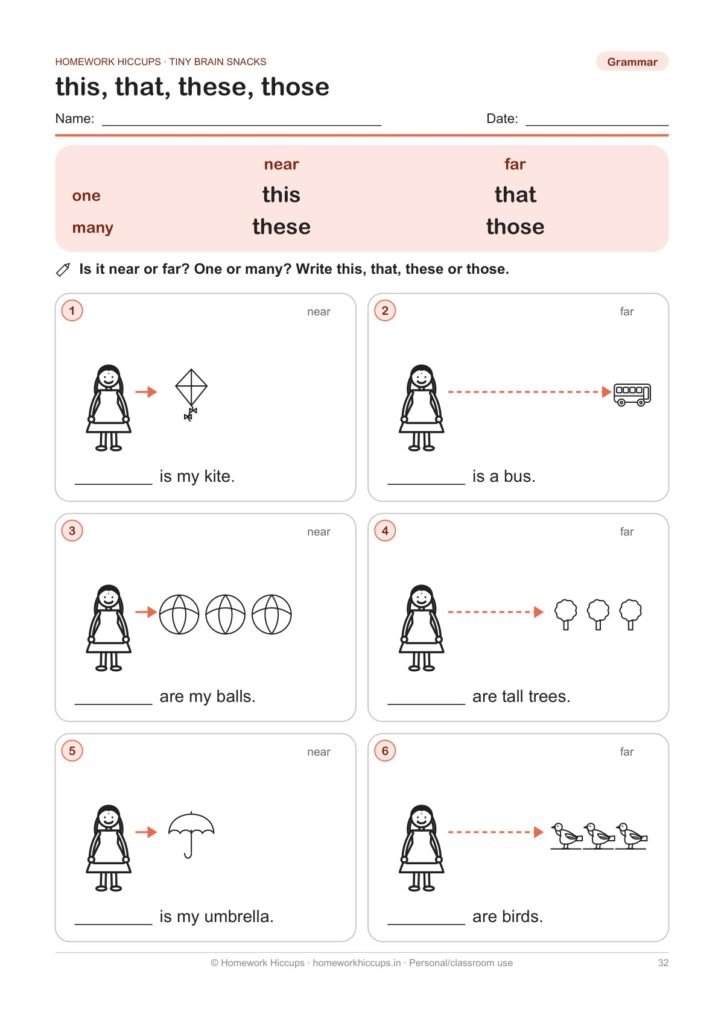
Print-ready worksheets for this topic
Class 1 English Worksheets PDF – Phonics, Sight Words, Grammar & Reading (48 Pages) – A4 PDF, instant download. ₹149 ₹299
Below you will find five simple rules, 30 sentences to rewrite in three levels with answers, a capital detective game and a quick checklist. Copy the sentences into a notebook or onto the board; no printing needed.
🧰 Make practice more fun at home
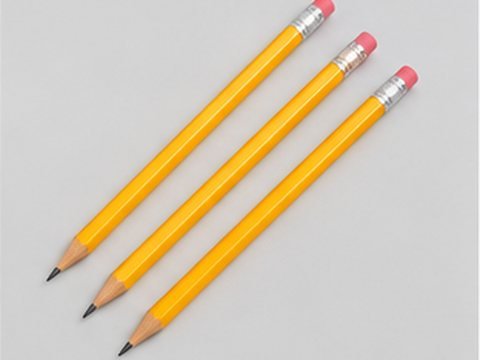 Triangle pencilsThe triangle shape guides a correct grip for tracing.See on Amazon →
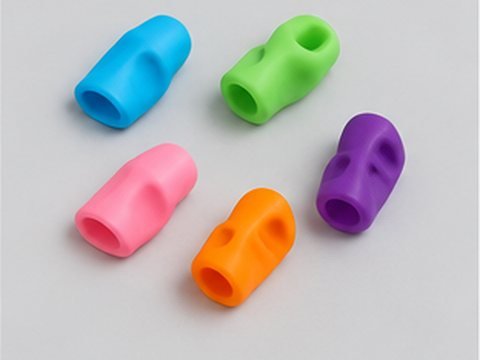 Pencil gripsSoft grips that help children hold the pencil right.See on Amazon →
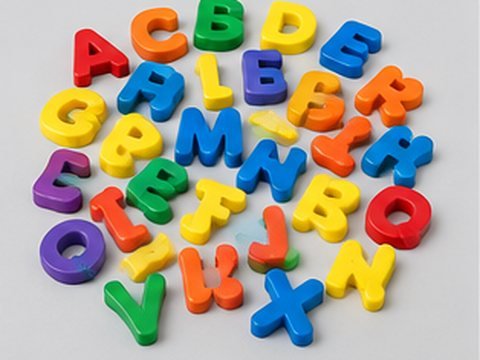 Magnetic lettersBuild words on the fridge while dinner cooks.See on Amazon →
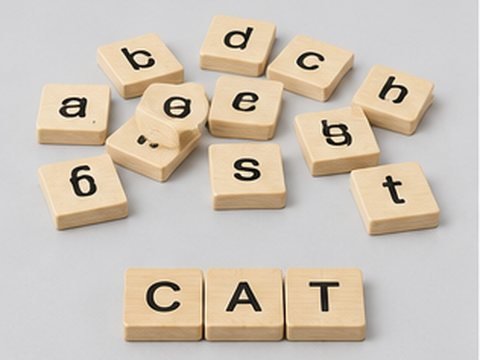 Word building gameSpell and match words through play.See on Amazon →
As an Amazon Associate, Homework Hiccups earns from qualifying purchases, at no extra cost to you.
Quick answer: Class 1 children use a capital letter for:
- the first word of every sentence,
- the word I on its own,
- names of people and pets (Riya, Kabir, Moti),
- names of places (Delhi, Goa, India),
- days and months (Monday, June).
And every telling sentence ends with a full stop.
When to use capital letters: 5 rules for kids
| Rule | Wrong | Right |
|---|---|---|
| 1. Start of a sentence | the bus is late. | The bus is late. |
| 2. The word I | Mama and i went out. | Mama and I went out. |
| 3. Names of people and pets | I play with anu. | I play with Anu. |
| 4. Names of places | We live in pune. | We live in Pune. |
| 5. Days and months | See you on friday. | See you on Friday. |
A bonus rule for keen learners: festival names also take a capital, such as Diwali, Eid, Holi and Christmas.
Teach one rule a day. Say the rule, show one wrong and one right example, then let your child find the mistake in two more sentences. Short, daily practice beats one long session.
And the full stop
A telling sentence ends with a full stop. Tell children: “The capital letter opens the door, and the full stop closes it.” Every sentence needs both. Question marks and exclamation marks come a little later; our punctuation worksheet for Class 2 covers them as the next step.
Capital letters and full stop worksheet: 30 sentences to rewrite
Ask your child to rewrite each sentence correctly, adding capital letters and a full stop. The sentences get harder in three levels, so stop at the level your child is comfortable with.
Level 1: start of the sentence and full stop
- the cat is sleeping
- my bag is red
- we like mangoes
- the sun is hot
- birds can fly
- this is my pen
- it is raining
- the dog barks
- she has a doll
- milk is white
Level 2: the word I and names
- i am six years old
- riya is my sister
- i like to play with kabir
- aarav and i go to school
- my teacher is mrs sharma
- meera has a pet cat called coco
- i can draw a tree
- ravi and anu are friends
- i saw tara at the park
- my dog’s name is moti
Level 3: places, days and months
- we live in delhi
- today is monday
- my birthday is in may
- kabir went to mumbai on sunday
- i visit my grandmother in jaipur in june
- the river ganga is very long
- our school is closed on sunday
- christmas is on 25 december
- riya and i went to goa in december
- on friday, i will meet meera in pune
Answers
| No. | Correct sentence | Capitals |
|---|---|---|
| 1 | The cat is sleeping. | 1 |
| 2 | My bag is red. | 1 |
| 3 | We like mangoes. | 1 |
| 4 | The sun is hot. | 1 |
| 5 | Birds can fly. | 1 |
| 6 | This is my pen. | 1 |
| 7 | It is raining. | 1 |
| 8 | The dog barks. | 1 |
| 9 | She has a doll. | 1 |
| 10 | Milk is white. | 1 |
| 11 | I am six years old. | 1 |
| 12 | Riya is my sister. | 1 |
| 13 | I like to play with Kabir. | 2 |
| 14 | Aarav and I go to school. | 2 |
| 15 | My teacher is Mrs Sharma. | 3 |
| 16 | Meera has a pet cat called Coco. | 2 |
| 17 | I can draw a tree. | 1 |
| 18 | Ravi and Anu are friends. | 2 |
| 19 | I saw Tara at the park. | 2 |
| 20 | My dog’s name is Moti. | 2 |
| 21 | We live in Delhi. | 2 |
| 22 | Today is Monday. | 2 |
| 23 | My birthday is in May. | 2 |
| 24 | Kabir went to Mumbai on Sunday. | 3 |
| 25 | I visit my grandmother in Jaipur in June. | 3 |
| 26 | The river Ganga is very long. | 2 |
| 27 | Our school is closed on Sunday. | 2 |
| 28 | Christmas is on 25 December. | 2 |
| 29 | Riya and I went to Goa in December. | 4 |
| 30 | On Friday, I will meet Meera in Pune. | 5 |
Every answer also ends with a full stop. Count the capitals with your child; it turns checking into a little game.
Capital detective game
Write this short paragraph on the board with every capital missing. Children are detectives: they circle each word that needs a capital letter and write the total in a “case file” box.
my name is tara. i live in chennai. on sunday, i went to the beach with my brother arjun. we saw a big ship. in april, we will visit kochi.
Answer: 11 capitals. My, I, Chennai, On, Sunday, I, Arjun, We, In, April, Kochi.
To make it a class game, split into teams and give each team a different paragraph. The team that finds every capital and explains the rule for each one wins. Children can then write their own three-sentence mystery for a partner to solve.
Capital letters worksheet for Class 1: common mistakes
- Capitals in the middle of words. Some children write “mAngo” or capital B and D everywhere because those shapes feel easier. Practise lowercase b and d separately.
- Capital for every noun. “I ate a Mango” is wrong. Only names of particular people, places, days and months take a capital. Our nouns worksheet for Class 1 helps children tell naming words from names.
- Small i. The most common mistake of all. Make a big I card and stick it on the study table.
- Missing full stop. Ask children to tap each full stop with their pencil as they reread.
- Full stop after every line. A sentence can go onto the next line; the full stop comes only at the end of the idea.
Prefer ready-to-print pages?
Class 1 English Worksheets PDF – Phonics, Sight Words, Grammar & Reading (48 Pages) – A4 PDF, instant download. ₹149 ₹299
A 5-day plan
| Day | Focus | Practice |
|---|---|---|
| 1 | Start of sentence, full stop | Sentences 1–10 |
| 2 | The word I | Sentences 11, 13, 14, 17, 19 |
| 3 | Names of people and pets | Sentences 12–20 |
| 4 | Places, days and months | Sentences 21–30 |
| 5 | Mixed review | Capital detective game |
For more Class 1 grammar topics in one place, see our Class 1 English grammar worksheets, and for mixed practice with answer keys, try Class 1 English worksheets with answers.
Print-ready capitals and full stop practice
Our Class 1 English Worksheets PDF (48 A4 pages) includes a capital letters and full stop page with a rule box, circle-the-capitals practice and sentences to rewrite correctly. The same pack covers short vowels and CVC words, blends, digraphs, magic e, 20 sight words, naming words, a and an, describing and action words, jumbled sentences, is/are, in/on/under, four short reading stories with questions, picture composition and handwriting on four-line guides, with four pages of answer keys.
Get the Class 1 English Worksheets – ₹149
You can try the style first with the free Class 1 English worksheets sample (5 pages, name and email only at checkout). If you need several subjects, the Complete Worksheet Library Bundle (₹699) has 20 packs and 790+ pages. Browse all Class 1 worksheets.
Download the 48-Page Class 1 English Pack – ₹149
🧸 Learning toys kids love
 Story cubesRoll the cubes and tell a story together.See on Amazon →
 LCD writing tabletWrite, erase with one button, write again: no paper.See on Amazon →
 Jigsaw puzzles (3–6 yrs)Screen-free focus time for little ones.See on Amazon →
 Educational board gamesFamily game time that sneaks in learning.See on Amazon →
As an Amazon Associate, Homework Hiccups earns from qualifying purchases, at no extra cost to you.
Frequently asked questions
When do we use capital letters in Class 1?
We use capital letters at the start of a sentence, for the word I, for names of people and pets, for names of places and for days of the week and months of the year.
Why is I always a capital letter?
In English, the word I is always written as a capital letter when it stands on its own, wherever it comes in the sentence. It is simply the rule, so children should practise it until it becomes a habit.
Do all nouns start with a capital letter?
No. Only names of particular people, places, pets, days, months and festivals start with a capital. Common naming words such as mango, school or dog do not, unless they begin a sentence.
What is a full stop?
A full stop is the small dot at the end of a telling sentence. It shows that the sentence has finished.
How can I make capital letter practice fun?
Play capital detective: write a short paragraph with no capitals and ask your child to circle every word that needs one and count them. Teams and a timer make it a class game.