Many parents type “colouring pages for kids PDF India” into a search bar because they want pictures their children actually recognise: a peacock instead of a reindeer, an auto-rickshaw instead of a yellow school bus, a mango tree instead of an apple orchard. Familiar pictures give children more to talk about while they colour, and that conversation is half the value.
Print-ready worksheets for this topic
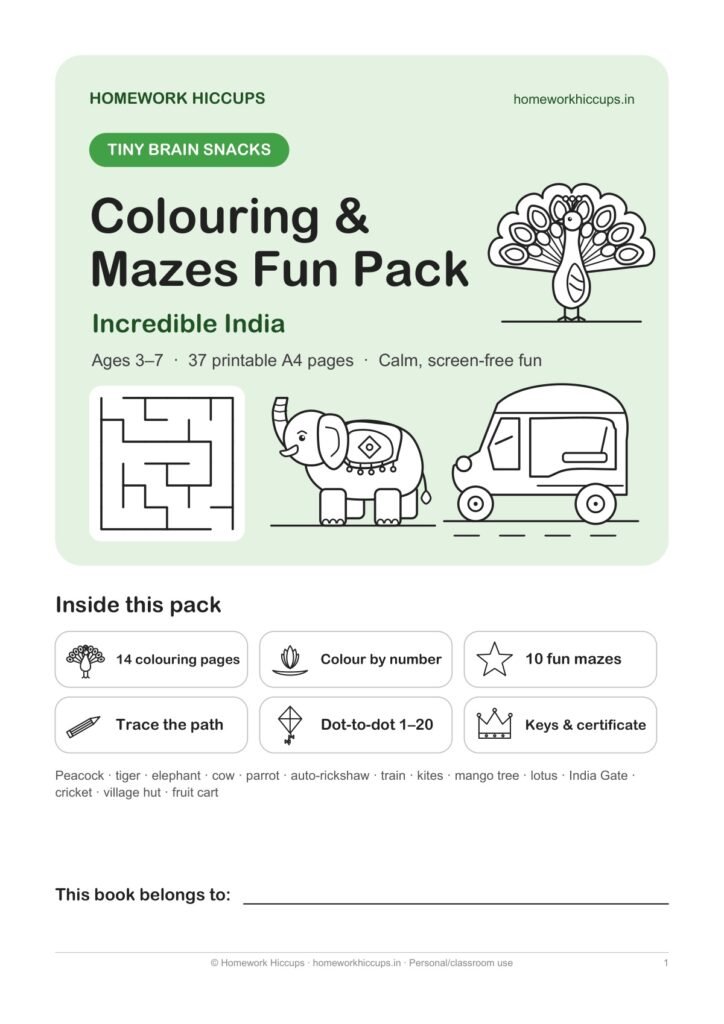
Colouring Pages and Mazes for Kids PDF – Incredible India Colouring & Mazes Fun Pack, Ages 3–7 (37 Pages) – A4 PDF, instant download. ₹79 ₹149
This guide gives you Indian-themed colouring ideas by age, explains how colouring quietly builds the grip and control needed for writing, helps you choose between crayons and pencil colours, and shares a simple 5-minute colouring routine and colouring games you can start today.
🧰 Make practice more fun at home
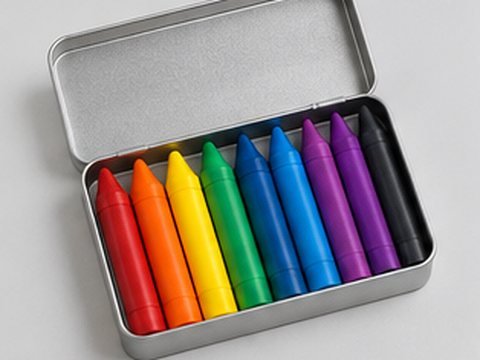 Jumbo wax crayonsChunky, non-toxic and easy for small hands to grip.See on Amazon →
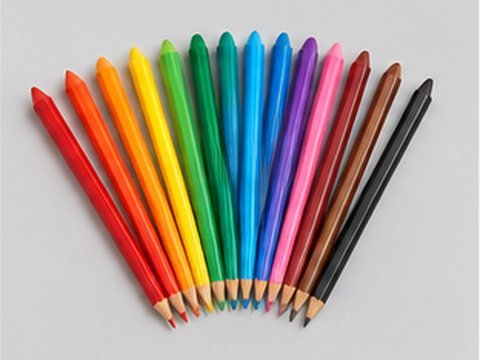 Colour pencils setBright, break-resistant colours for colouring pages.See on Amazon →
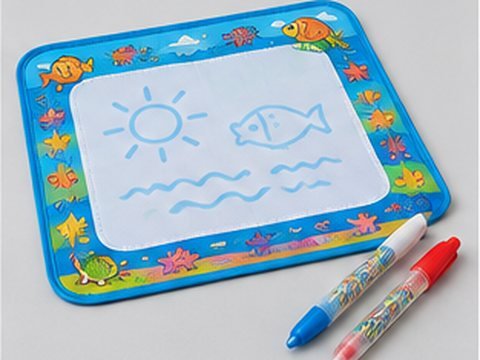 Water doodle matMess-free drawing with water pens, reusable.See on Amazon →
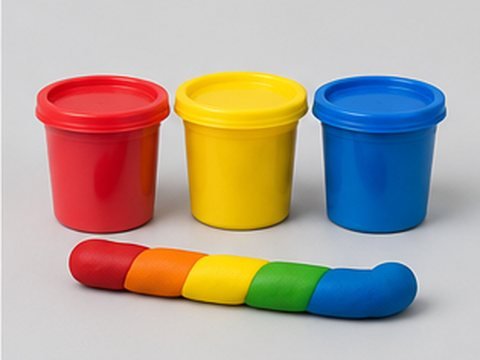 Play dough setSquishing and rolling builds hand strength.See on Amazon →
As an Amazon Associate, Homework Hiccups earns from qualifying purchases, at no extra cost to you.
Quick answer: The best colouring pages for kids match their age:
- Ages 3–4: one big picture with thick outlines (mango, kite, lotus) and chunky wax crayons.
- Ages 5–6 (UKG): pictures with a few parts (peacock, auto-rickshaw, elephant), colour by number and staying inside lines.
- Ages 6–8: detailed scenes (India Gate, village hut, kite festival), pencil colours and shading.
- Five minutes a day is enough to build hand strength for writing.
Why colouring pages for kids build writing skills
Colouring looks like quiet time, but your child’s hand is working hard. Every page practises:
- Pencil grip. Holding a crayon for five minutes strengthens the small muscles in the fingers and thumb, the same muscles used for holding a pencil.
- Control and stopping. Staying inside a line teaches a child to start, move and stop on purpose. That control is what makes letters neat later.
- Hand–eye coordination. The eyes guide the hand around curves and corners.
- Two-hand teamwork. One hand colours while the other holds the paper still, an important skill for writing in a notebook.
- Focus. Finishing one picture builds the habit of staying with a task.
For more ways to build hand strength, see our list of fine motor activities for preschoolers.
Indian colouring pages for kids: ideas by age
| Age | Good picture ideas | What to expect |
|---|---|---|
| 3 years | Mango, ball, kite, sun, lotus, fish | Scribbles that go outside the lines. This is normal and still useful. |
| 4 years (LKG) | Parrot, cow, umbrella, diya, banana, house | Colour mostly in one area; starts choosing real colours |
| 5 years (UKG) | Peacock, auto-rickshaw, elephant, tiger, train, fruit cart | Stays inside big areas; uses 3–4 colours on one picture |
| 6 years (Class 1) | Mango tree with birds, village hut, cricket player, kite festival | Colours small parts neatly; can follow colour by number |
| 7–8 years (Class 2) | India Gate, a festival scene, a market street, a map outline | Shading, patterns and backgrounds; enjoys detail |
Colouring pages for 3 year olds
Choose one large object with very thick outlines and no tiny parts. At this age, children are learning that a crayon makes a mark where they move it. Praise effort, not neatness: “You used so much green on that leaf!” Offer only two or three colours at a time so the choice does not overwhelm them. If you are looking for other early activities, our worksheets for 3 year olds guide has more ideas.
Colouring pages for UKG
UKG children are ready for pictures with a few clear parts and the challenge of staying inside the lines. This is also the right time for colour by number, which mixes number recognition with colouring. Ask them to name the colours as they use them, and to tell you one thing about the picture when they finish. Children who enjoy colouring often enjoy drawing too, so try our UKG drawing worksheets next.
Crayons, pencil colours or sketch pens?
| Tool | Best age | Why |
|---|---|---|
| Chunky wax crayons | 3–4 | Thick and easy to hold; need some pressure, which builds strength |
| Thin wax crayons or oil pastels | 4–6 | Brighter colour and a more pencil-like grip; oil pastels can be smudged with a finger for blending |
| Pencil colours | 5–8 | Best for control and small parts; closest to writing with a pencil |
| Sketch pens | 6–8, now and then | Bright and fun but need almost no pressure, so they build less strength |
A simple rule: if your child is about to start writing, lean towards crayons and pencil colours. Save sketch pens for special pages.
A 5-minute colouring routine
Short, regular colouring does more than one long session on a Sunday. Try this:
- Minute 1: Look and talk. “What is this? Where have we seen a peacock? What colour is its neck?”
- Minute 2: Plan. Your child picks two or three colours and decides which part to start with.
- Minutes 3–4: Colour. Sit beside them. Notice good choices out loud instead of correcting.
- Minute 5: Finish and share. Write the date on the page and let your child show it to someone at home.
Keep finished pages in a folder. After a month, look back together at the first page and the latest page. Children are often amazed at how much neater they have become.
Prefer ready-to-print pages?
Colouring Pages and Mazes for Kids PDF – Incredible India Colouring & Mazes Fun Pack, Ages 3–7 (37 Pages) – A4 PDF, instant download. ₹79 ₹149
Colouring sheets for kids: 4 games that add learning
1. Colour by instruction
Read out one instruction at a time and let your child follow. This builds listening skills. For a peacock picture, try:
- Colour the peacock’s neck blue.
- Colour the eyes on its feathers green.
- Colour the grass under its feet light green.
- Draw a yellow sun in the corner.
- Colour the sky blue, but leave space for two white clouds.
2. Real colour or rainbow colour?
Before colouring, ask: will we use real colours or silly colours today? A purple elephant is fine on a silly day. On real-colour days, talk about why a mango is yellow or green and a tiger is orange with black stripes.
3. Make your own colour by number
Draw a simple picture divided into parts. Write 1, 2 or 3 in each part and make a key at the bottom: 1 = red, 2 = green, 3 = yellow. Older children can make one for a younger sibling.
4. Colour and tell
After colouring, your child says three sentences about the picture. “This is an auto-rickshaw. It is green and yellow. It has three wheels.” This turns a colouring page into a speaking lesson.
Colouring pages for kids: where mazes fit in
Mazes are a natural next step after colouring because they also need controlled pencil lines, plus a little planning. Many children like to colour a page and then do a short maze. Our free printable mazes for kids post explains how to choose the right level. If your child loves animals, see our animal colouring pages ideas too.
Ready-to-print Indian colouring pages
If you would like a full set ready to print, our Incredible India Colouring and Mazes Fun Pack (37 pages, ages 3–7) has 14 full-page colouring pages with bold outlines: peacock, tiger, elephant, cow, parrot, auto-rickshaw, train, kite festival, mango tree, lotus, India Gate, cricket player, village hut and fruit cart, each with its name in big outline letters to colour. It also has 3 colour-by-number pages, 10 mazes from easy to challenge, 3 trace-the-path pre-writing pages and 2 dot-to-dots from 1 to 20, with answer keys and a certificate. Everything is black line art, so a black-and-white printer is all you need.
Get the Incredible India Colouring and Mazes Pack – ₹79
Download the free colouring pages and mazes sample.
Download 14 Indian Colouring Pages and 10 Mazes – ₹79
🧸 Learning toys kids love
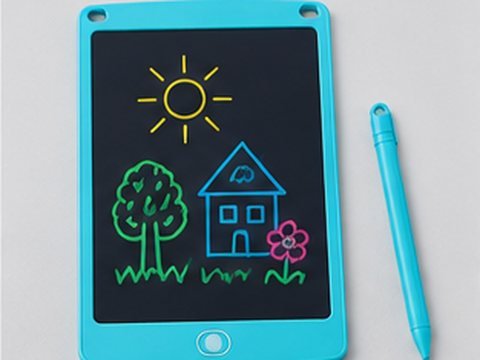 LCD writing tabletWrite, erase with one button, write again: no paper.See on Amazon →
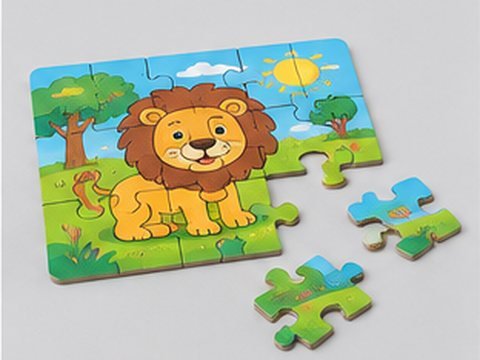 Jigsaw puzzles (3–6 yrs)Screen-free focus time for little ones.See on Amazon →
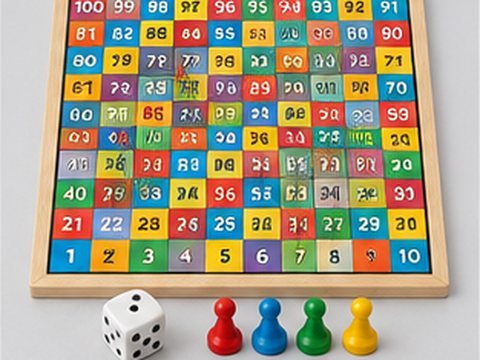 Educational board gamesFamily game time that sneaks in learning.See on Amazon →
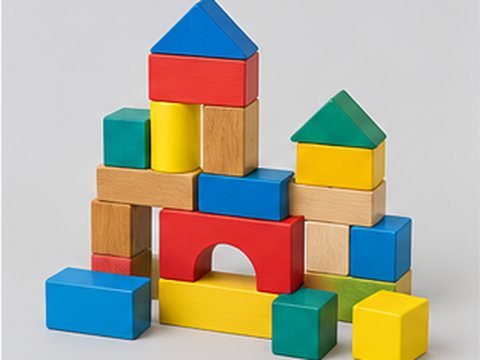 Building blocksOpen-ended play that builds counting and creativity.See on Amazon →
As an Amazon Associate, Homework Hiccups earns from qualifying purchases, at no extra cost to you.
Frequently asked questions
At what age should a child start colouring?
Many children start making crayon marks at around 2 to 3 years. Simple colouring pages with one big picture and thick outlines suit most 3-year-olds.
Does colouring help with handwriting?
Yes. Colouring builds finger strength, pencil grip and the control to start and stop a line, which are all needed for neat handwriting.
Should my child use crayons or pencil colours?
Chunky crayons suit ages 3 to 4. From around 5, pencil colours help children colour small parts and are closest to writing with a pencil.
Is it a problem if my child colours outside the lines?
Not at age 3 or 4. Staying inside lines develops slowly. Praise effort and offer bigger pictures with thick outlines until control improves.
How long should a colouring session be?
About 5 to 10 minutes is enough for most young children. Short daily sessions help more than one long session a week.