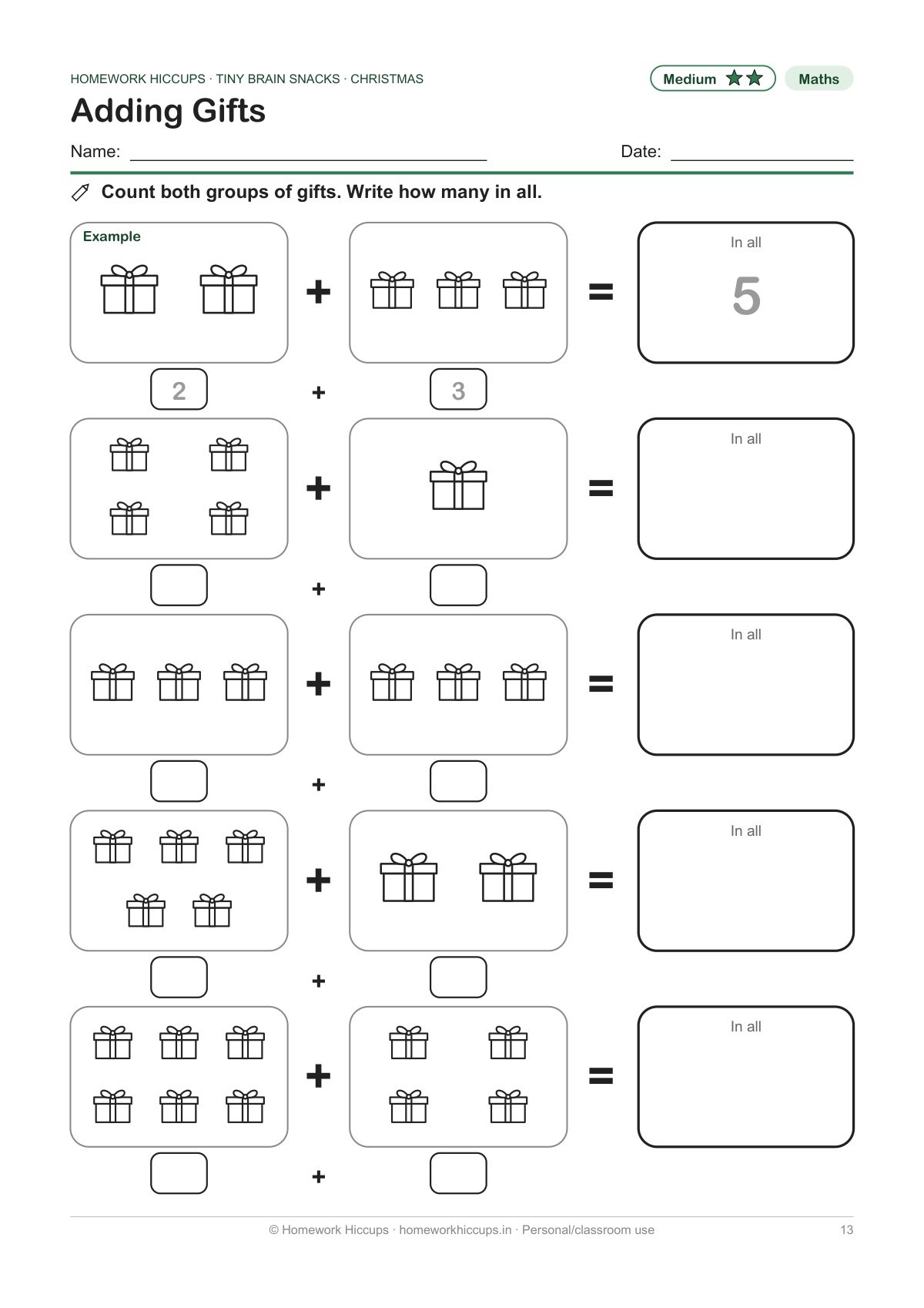
Animal colouring pages for kids are a favourite in every home and classroom, but most printables online show raccoons, moose and polar bears. Indian children connect far more with the animals they see at the zoo, on a village visit, in the park or on TV: the peacock, tiger, elephant, cow and parrot. Colouring time is also a quiet chance to learn something true about each animal.
Print-ready worksheets for this topic
Colouring Pages and Mazes for Kids PDF – Incredible India Colouring & Mazes Fun Pack, Ages 3–7 (37 Pages) – A4 PDF, instant download. ₹79 ₹149
Below you will find 15 Indian animals to colour, a simple fact for each that you can read aloud while your child colours, real-colour guidance (so the tiger doesn’t end up purple, unless your child wants it to), a colouring-plus-speaking game and tips for different ages.
🧰 Make practice more fun at home
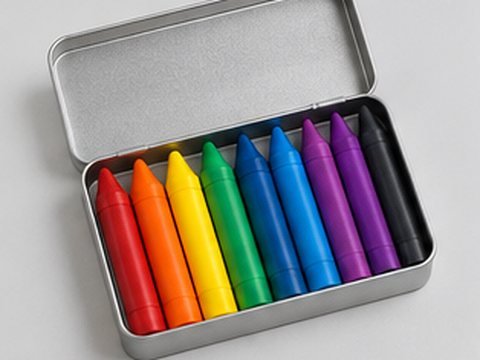 Jumbo wax crayonsChunky, non-toxic and easy for small hands to grip.See on Amazon →
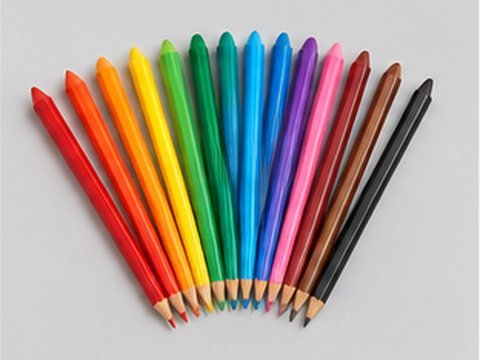 Colour pencils setBright, break-resistant colours for colouring pages.See on Amazon →
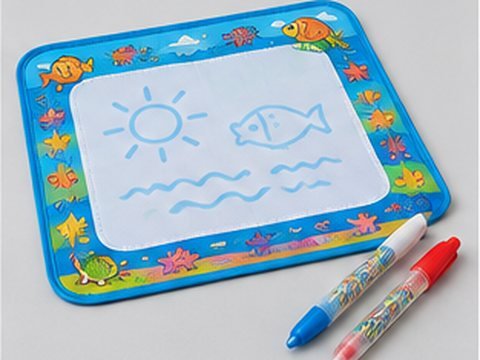 Water doodle matMess-free drawing with water pens, reusable.See on Amazon →
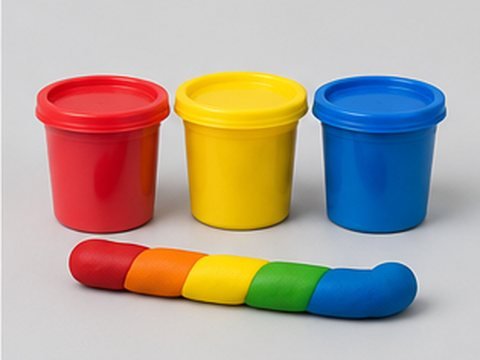 Play dough setSquishing and rolling builds hand strength.See on Amazon →
As an Amazon Associate, Homework Hiccups earns from qualifying purchases, at no extra cost to you.
Quick answer: Great Indian animals to colour with kids include the peacock, tiger, elephant, cow, parrot, camel, langur, one-horned rhino, Asiatic lion, river dolphin, red panda, snow leopard, star tortoise, water buffalo and palm squirrel. Read one fact per animal, talk about its real colours, then ask your child to say one sentence about their finished picture.
15 Indian animals to colour, with a fun fact for each
Draw a simple outline of each animal, or use a printed page. The “real colours” column helps children who like their pictures to look true to life. For younger children, any colour is fine; the aim is enjoyment and pencil control.
| Animal | Fun fact to read aloud | Real colours |
|---|---|---|
| Peacock | The peacock is the national bird of India. The male spreads his long, shiny tail feathers like a fan. | Bright blue neck, green and gold tail with blue “eyes” |
| Tiger | The tiger is the national animal of India. No two tigers have exactly the same stripes. | Orange with black stripes, white belly |
| Elephant | An elephant’s trunk is its nose and upper lip together. It uses its trunk to drink, smell and pick things up. | Grey |
| Cow | Cows chew their food, swallow it and later bring it back up to chew again. This is called chewing the cud. | White, brown or black |
| Parrot | Parrots have a strong curved beak for cracking seeds and nuts. Many parrots can copy sounds. | Green body, red beak |
| Camel | Camels live in the Thar Desert of Rajasthan. A camel’s hump stores fat, not water. | Light brown or sandy |
| Grey langur | The grey langur is a monkey with a black face, black hands and a very long tail. | Grey body, black face |
| One-horned rhinoceros | Many one-horned rhinos live in Kaziranga National Park in Assam. | Grey, with thick folds of skin |
| Asiatic lion | In the wild, Asiatic lions are found in and around the Gir forest in Gujarat. | Golden brown; male has a darker mane |
| Ganges river dolphin | This dolphin lives in rivers and is almost blind. It finds food using sound. | Grey-brown |
| Red panda | The red panda lives in the cool forests of the eastern Himalayas. It is the state animal of Sikkim. | Reddish-brown, with a ringed tail and a white face |
| Snow leopard | Snow leopards live high in the mountains, such as in Ladakh. They wrap their thick tail around them to keep warm. | Pale grey with dark rosette spots |
| Indian star tortoise | Its shell has star-shaped patterns. A tortoise lives on land, while most turtles spend their life in water. | Black shell with yellow stars |
| Water buffalo | Buffaloes love lying in mud and water to keep cool on hot days. | Dark grey or black |
| Palm squirrel | The Indian palm squirrel has pale stripes along its back and a bushy tail. | Grey-brown with cream stripes |
Which animals to colour at each age
Big shapes and few details suit younger children. Save the patterned animals for older ones.
- Ages 3 to 4 (Nursery, LKG): elephant, cow, camel, water buffalo. Big bodies, one main colour, easy to stay inside the lines.
- Ages 4 to 5 (UKG): parrot, tortoise, squirrel, rhino. A few parts in different colours.
- Ages 6 to 8 (Class 1 and 2): peacock, tiger, snow leopard, red panda. Patterns, stripes and spots need more control.
Peacock colouring page tips
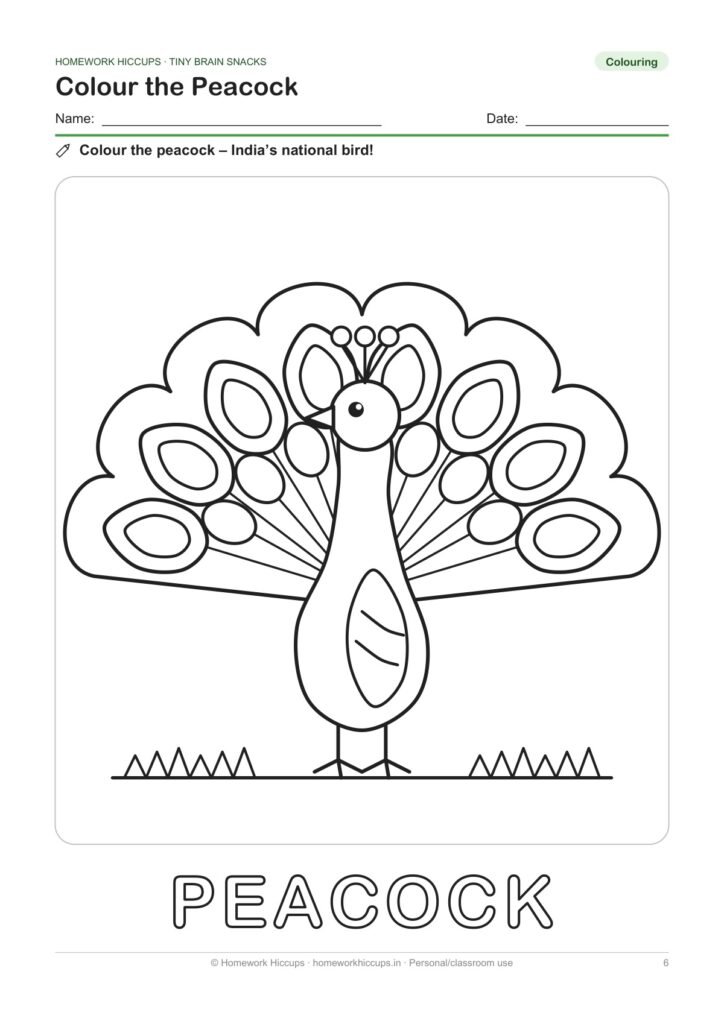
The peacock is the most popular Indian animal colouring page, and also the most fiddly. Help children break it into parts:
- Colour the neck and body bright blue first.
- Colour each tail feather green.
- Add a small blue or dark circle at the end of each feather for the “eye”.
- Finish with a gold or yellow ring around each eye.
For a fun extra, let your child glue on small pieces of green and blue paper for the tail. Talk about the difference between the peacock (male) and the peahen (female), who is mostly brown and has no long train. Learn more about India’s symbols in our national symbols of India for kids post.
Tiger colouring page tips
Tigers are best coloured in two steps. First colour the whole body orange, leaving the belly, chin and patches around the eyes white. Then add black stripes on top. Tell children to make the stripes thin at the ends and thicker in the middle, like a flame. Ask: “Is your tiger’s stripe pattern the same as your friend’s?” It never will be, just like real tigers.
Elephant colouring for kids
Grey can be made by colouring lightly with a black crayon, or by layering a light blue and a light brown. Leave the tusks white. Talk about the trunk: “Can you show me how an elephant drinks water?” Children love adding a pond, trees and a baby elephant. You can extend this with our young ones of animals list (an elephant’s baby is a calf).
Prefer ready-to-print pages?
Colouring Pages and Mazes for Kids PDF – Incredible India Colouring & Mazes Fun Pack, Ages 3–7 (37 Pages) – A4 PDF, instant download. ₹79 ₹149
Wild animals colouring: a colour-and-speak game
This game turns quiet colouring into speaking practice, which is great for English or Hindi vocabulary.
- Pick a card. Write each animal’s name on a slip of paper and put them in a bowl. The child picks one.
- Colour. The child colours that animal (5 to 10 minutes).
- Say three things. When they finish, they say three sentences: what it is, its colour, and one fact. For example: “This is a camel. It is light brown. It lives in the desert.”
- Ask a question. The listener asks one question, such as “What does it eat?” The child answers or guesses.
For a class, put children in pairs and let them present to each other. You can also sort finished pictures into groups: wild animals and domestic animals, animals that live on land and in water, or animals with fur, feathers and shells. Our animals worksheet for Class 1 has more sorting and question ideas.
Colouring tips that improve pencil control
- Use thick crayons or triangular colour pencils for small hands.
- Colour the outline of each part first, then fill in the middle.
- Colour in one direction (all side to side) for a smooth look.
- Press lightly first, then harder for darker patches.
- Stop after one or two pages. Tired hands make messy colouring and unhappy children.
For more themes beyond animals, see our colouring pages for kids guide.
Printable animal colouring pages with Indian themes
If you would like ready pages, the Incredible India Colouring and Mazes Fun Pack (₹79, 37 A4 pages, ages 3 to 7) has 14 full-page colouring pages with bold outlines, each with its name in big outline letters to colour. Five of them are animals: peacock, tiger, elephant, cow and parrot. The others show an auto-rickshaw, train, kite festival, mango tree, lotus, India Gate, cricket player, village hut and fruit cart. The pack also has 3 colour-by-number pages, 10 mazes from easy to challenge, 3 trace-the-path pages, 2 dot-to-dots (elephant and kite), answer keys, a parent page and a certificate. It is black line art, so it prints well in black and white.
Get the Incredible India Colouring Pack – ₹79
Try a few pages first with the free colouring pages and mazes sample, or browse all activity packs.
Display ideas for finished pictures
- Jungle wall: stick wild animals on a green chart paper with paper trees.
- Farm corner: cow, buffalo and parrot near a drawn village hut.
- Animal book: staple all 15 pictures together with a fact written under each.
- Where do they live? Stick each animal on a rough map: camel in Rajasthan, rhino in Assam, lion in Gujarat, red panda in Sikkim.
Download the Colouring and Mazes Pack – ₹79
🧸 Learning toys kids love
 LCD writing tabletWrite, erase with one button, write again: no paper.See on Amazon →
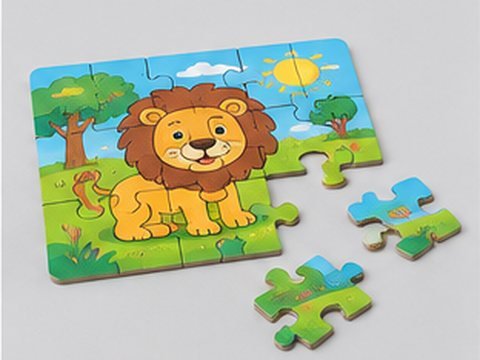 Jigsaw puzzles (3–6 yrs)Screen-free focus time for little ones.See on Amazon →
 Educational board gamesFamily game time that sneaks in learning.See on Amazon →
 Building blocksOpen-ended play that builds counting and creativity.See on Amazon →
As an Amazon Associate, Homework Hiccups earns from qualifying purchases, at no extra cost to you.
Frequently asked questions
Which animals are good for colouring pages for kids in India?
Familiar animals work best: the peacock, tiger, elephant, cow, parrot and camel. Older children enjoy patterned animals such as the snow leopard, red panda and star tortoise.
What colours is a real peacock?
A male peacock has a bright blue neck and body and a long green and gold tail with blue eye spots. The female peahen is mostly brown.
Is the tiger the national animal of India?
Yes. The tiger is the national animal of India, and the peacock is the national bird.
What age are animal colouring pages for?
Children from about age 3 enjoy simple animals with big shapes. By age 6 to 8 they can manage stripes, spots and feathers and can write a fact about each animal.
How can colouring help my child learn?
Colouring builds pencil grip and hand control. When you add a fact and ask your child to speak about the picture, it also builds vocabulary and confidence.