Toys that teach · Ages 2–8
Best Learning Toys for Kids in India (Ages 2–8)
Simple, screen-free toys that build counting, reading, Hindi, fine motor skills and focus, chosen to go with what children learn in Nursery to Class 2. Pick by age or by skill below; each card opens the toy on Amazon.in so you can compare prices and reviews.
Ages 2–3Ages 3–4Ages 4–5Ages 5–6Ages 6–8By skillGift ideas
As an Amazon Associate, Homework Hiccups earns from qualifying purchases, at no extra cost to you. Pictures are illustrative; the exact product you choose on Amazon may look different.
Learning toys for 2–3 year olds (pre-nursery)
At this age, play is all about hands, colours and words. Look for big, chunky pieces that are safe to hold and easy to stack, sort and name.
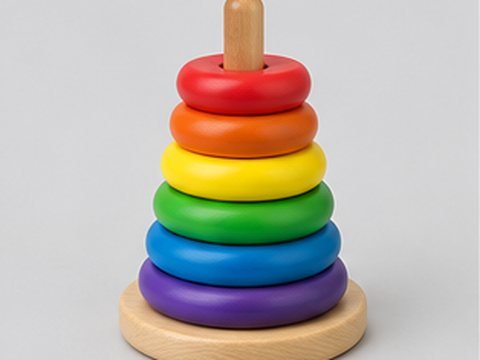 Stacking ringsBig, chunky rings that teach size order and colours.See on Amazon →
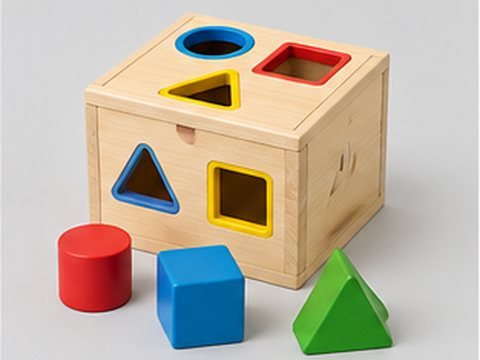 Shape sorterMatching shapes builds early thinking and hand control.See on Amazon →
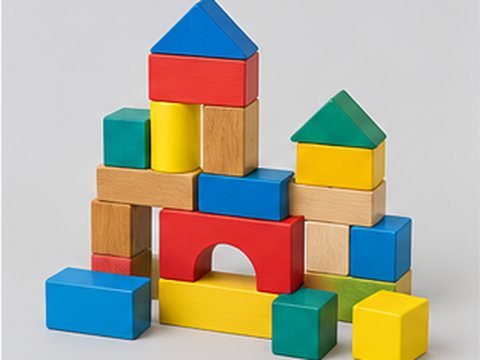 Building blocksOpen-ended play that grows counting and creativity.See on Amazon →
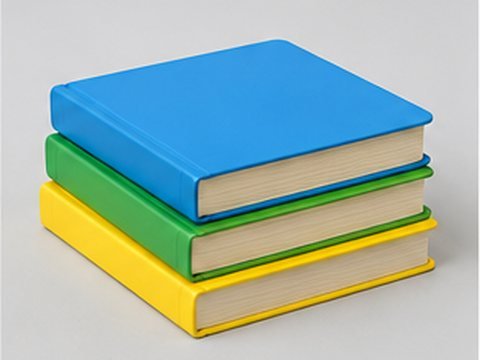 Board booksSturdy picture books for daily read-aloud time.See on Amazon →
Learning toys for 3–4 year olds (Nursery)
Puzzles, letters and messy-but-fun play build the grip, focus and early letter recognition children need before writing.
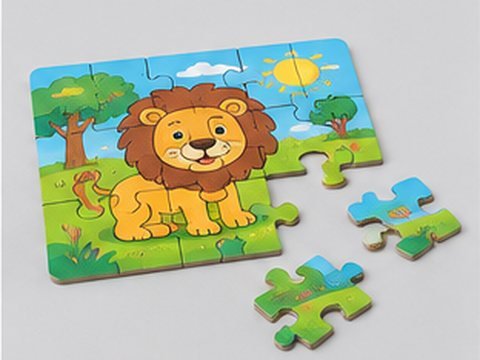 Jigsaw puzzles (3–6 yrs)Screen-free focus time for little ones.See on Amazon →
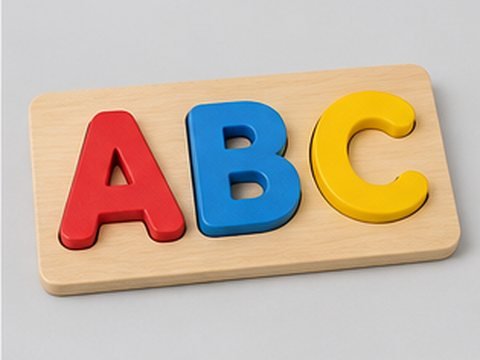 Wooden alphabet puzzleLift-out letters for A–Z recognition.See on Amazon →
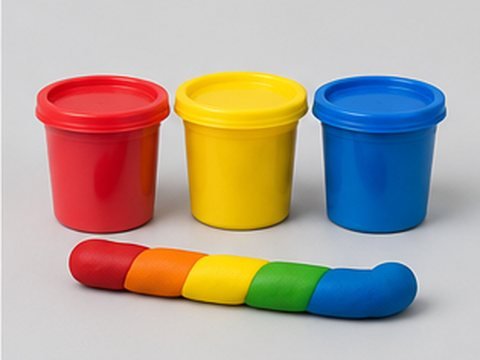 Play dough setSquishing and rolling makes little hands stronger.See on Amazon →
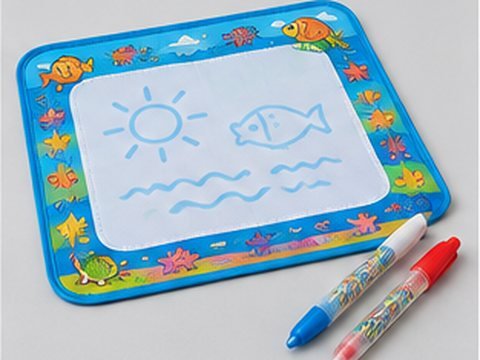 Water doodle matMess-free drawing with water pens, reusable.See on Amazon →
Pair them with our Nursery worksheets for 10 calm minutes of practice a day.
Learning toys for 4–5 year olds (LKG)
Children start linking letters to sounds and numbers to quantities. Hands-on letters, numbers and counters make abstract ideas real.
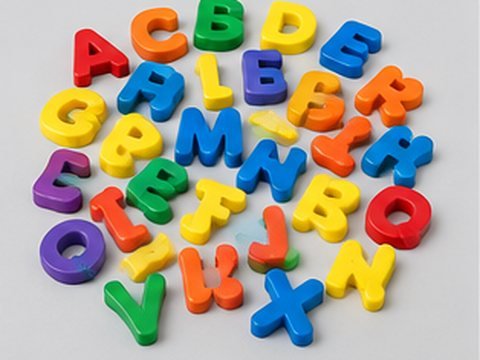 Magnetic lettersBuild words on the fridge while dinner cooks.See on Amazon →
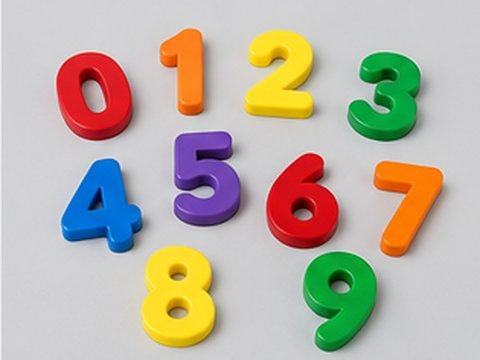 Magnetic numbersMake numbers and sums on any magnetic board.See on Amazon →
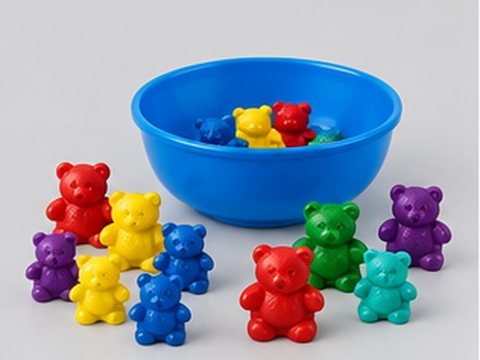 Counting toysColourful counters for counting and sorting games.See on Amazon →Hindi varnamala puzzle boardWooden letter pieces make Hindi hands-on.See on Amazon →
Pair them with our LKG worksheets.
Learning toys for 5–6 year olds (UKG)
Now children blend words, add and take away, and begin to tell the time. Toys with clear rules and goals work well.
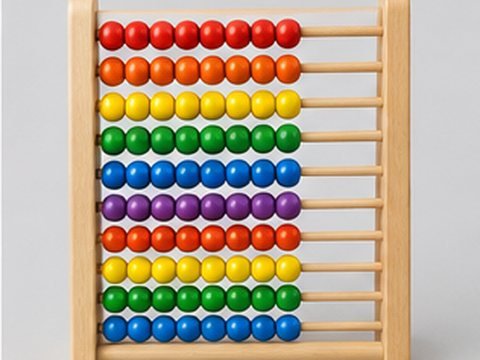
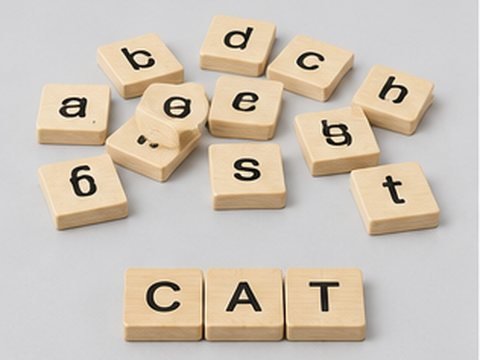
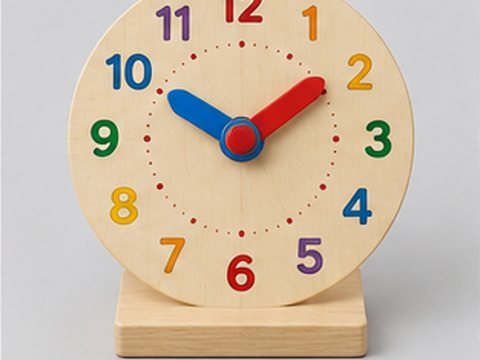
Pair them with our UKG worksheets.
Learning toys for 6–8 year olds (Class 1–2)
Older children love challenges: experiments, strategy games and real-life maths like shopping with rupees.
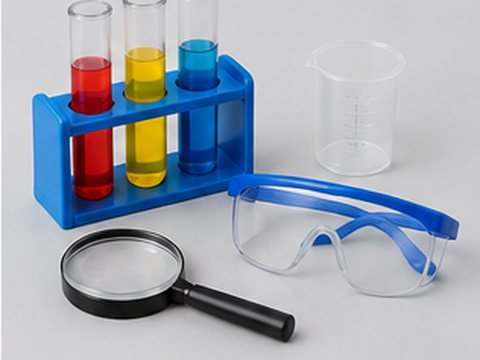 Science kit (6–8 yrs)Simple experiments that spark curiosity.See on Amazon →
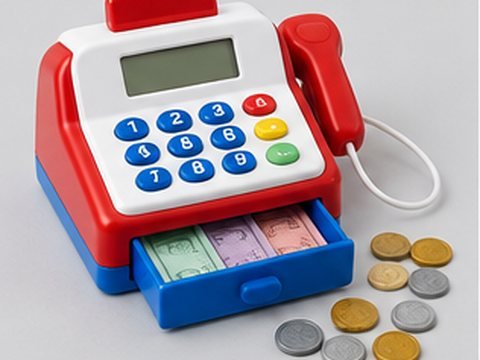 Pretend money & shop setPlay shop to practise rupees and change.See on Amazon →
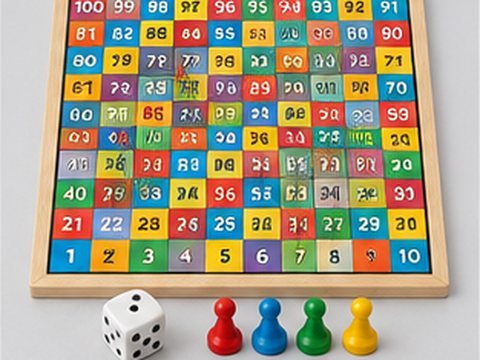 Educational board gamesFamily game time that sneaks in learning.See on Amazon →
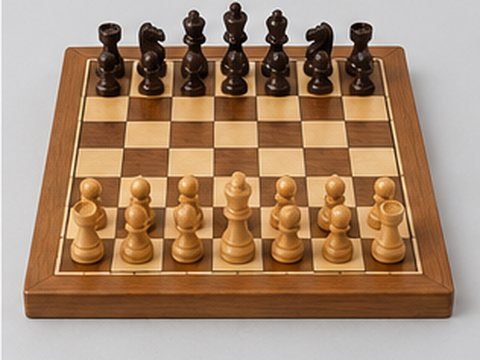 Chess set for kidsBuilds patience, planning and focus.See on Amazon →
Pair them with our Class 1 and Class 2 worksheets.
Toys by skill
Maths and counting
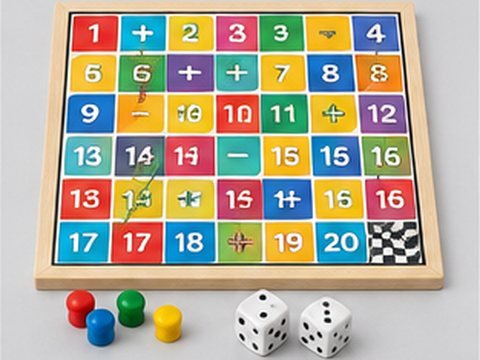
Hindi
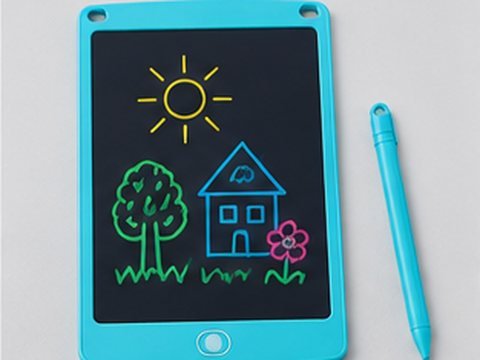 LCD writing tabletWrite, erase with one button, write again.See on Amazon →Magnetic lettersBuild words on the fridge while dinner cooks.See on Amazon →
Reading and English
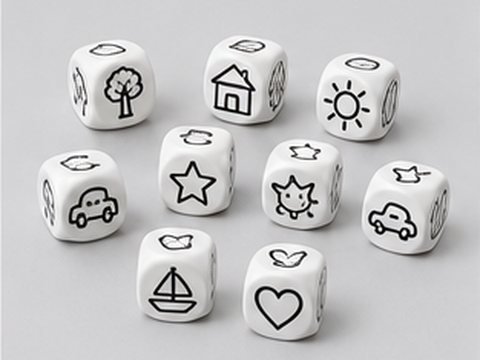
Science and thinking (STEM)
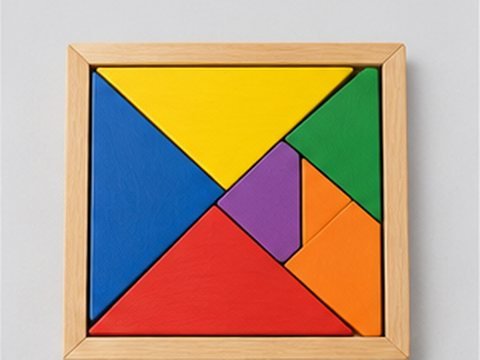

Gift ideas for birthdays and festivals
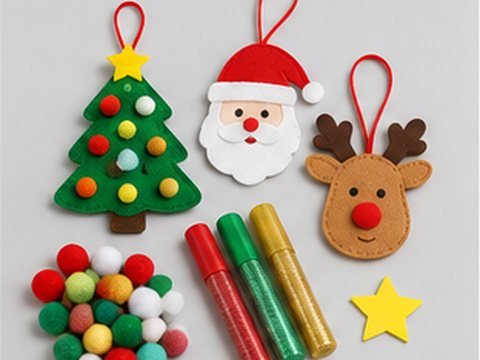
Looking for a present that is fun and useful? These make lovely gifts for 4–8 year olds, and you can add a printable activity pack for the same child.
How to choose a learning toy
- Check the age on the box and avoid small parts for children under 3.
- Simple beats electronic. Toys a child moves, builds and talks about teach more than toys that do everything for them.
- One skill at a time. A toy that matches what your child is learning now (letters, counting, Hindi) gets used the most.
- Play together. Ten minutes of playing alongside your child, naming, counting and asking questions, is where the learning happens.
- Rotate toys. Keep a few out and put the rest away for a week; old toys feel new again.
For daily practice that goes with these toys, see our printable worksheet templates, Homeschool Kits and free samples.